Korean Language Course - King Sejong Institute, Chennai 1
The growing popularity and increased consumption of K-content, with genres such as K-pop and K-drama riding the wave has directly led to a resultant interest in learning the Korean language. There is statistical evidence of enhanced enrolment in Korean language courses all over the world, making it the fastest growing foreign language. India is no exception. More people are now learning Korean in order to understand of K-pop and K-Drama genres without the need to rely on what the renowned Korean filmmaker, Bong Joon Ho, called the 'one-inch tall barrier of subtitles'!
We are the Chennai 1 King Sejong Institute and we offer quality Korean language courses, both online and offline, by qualified native Korean tutors.
Come join us to learn Korean and to engage more meaningfully with all that K-culture has to offer!
KOREAN LANGUAGE CLASSES
| Level | Class start from | Class days | Time | Duration |
|---|---|---|---|---|
| 1A Weekday Classes | Wednesday, 16 September 2026. | Wednesdays & Fridays | 6:00 p.m.-8:30 p.m. | 3 Months |
| 1A Weekend Classes | Saturday, 19 September 2026. | Saturdays | 10:00 a.m.-2:00 p.m. | 3 Months |
| Level | Class start from | Class days | Time | Duration |
|---|---|---|---|---|
| 1A Weekday Classes | Tuesday, 15 September 2026. | Tuesdays & Thursdays | 6:00 p.m.-8:00 p.m. | 3 Months |
| 1A Weekend Classes | Saturday, 19 September 2026. | Saturdays | 3:00 p.m.-7:00 p.m. | 3 Months |
| 1B Weekday Classes | Wednesday, 16 September 2026. | Tuesdays & Thursdays | 3:00 p.m.-7:00 p.m. | 3 Months |
| 1B Weekday Classes | Saturday, 19 September 2026. | Saturdays | 6:00 p.m.-8:30 p.m. | 3 Months |
| 1B Weekday Classes | Saturday, 19 September 2026. | Saturdays | 10:00 a.m.-2:00 p.m. | 3 Months |
| 2A Weekend Classes | Saturday, 19 September 2026. | Saturdays | 3:00 p.m.-7:00 p.m. | 3 Months |
| 2B Weekday Classes | Wednesday, 16 September 2026. | Wednesdays & Fridays | 6:00 p.m.-8:30 p.m. | 3 Months |
| 2B Weekend Classes | Saturday, 19 September 2026. | Saturdays | 3:00 p.m.-7:00 p.m. | 3 Months |
| 3A Weekdays Classes | Wednesday, 16 September 2026. | Wednesdays & Fridays | 6:00 p.m.-8:30 p.m. | 3 Months |
| 3B Weekdays Classes | Tuesday, 15 September 2026. | Tuesdays & Thursdays | 6:00 p.m.-8:30 p.m. | 3 Months |
| 4A Weekend Classes | Saturday,19 September 2026. | Saturdays | 10:00 a.m.-2:00 p.m. | 3 Months |
| Level | Class start from | Class days | Time | Duration |
|---|---|---|---|---|
| Korean Conversation Class (Offline) | Tuesday, 15 September 2026. | Tuesdays | 3:00 p.m.-5:00 p.m. | 2 Months |
| TOPIK I Prep Classes | Wednesday, 16 September 2026. | Wednesdays & Fridays | 3:00 p.m.-4:30 p.m. | 3 Months |
| TOPIK II Prep Classes | Wednesday, 16 September 2026. | Wednesday & Friday | 3:00 p.m.-5:00 p.m. | 2 Months |
A Level test is to be taken by those who wish to register directly to higher levels.
Registrations are now open. Limited seats available. Registration will be on a first-come, first-served basis.
For further information, please contact InKo Centre — T: 044 24361224 · E: enquiries@inkocentre.org
Korea Education Fair 2026
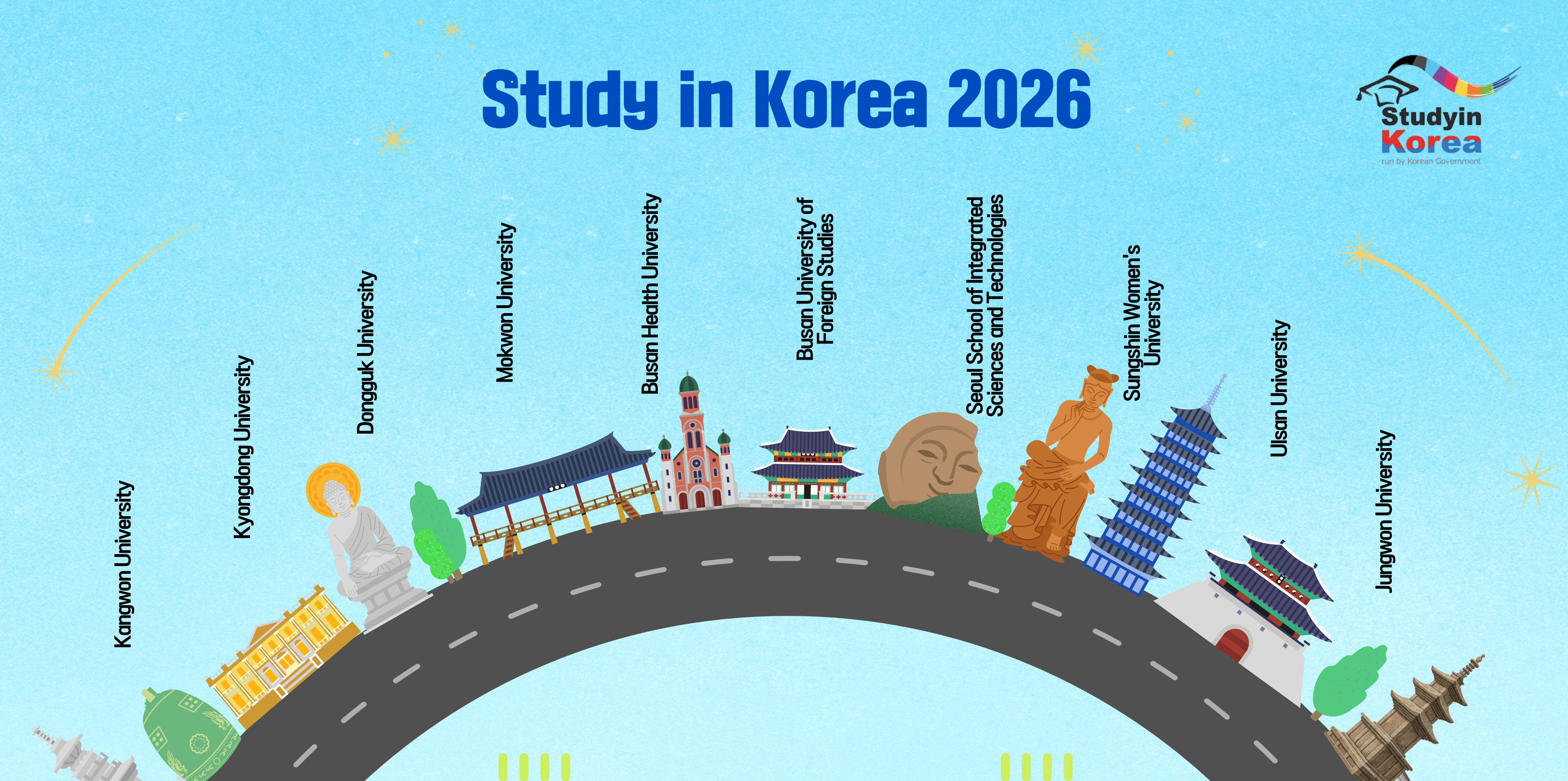
The Consulate General of the Republic of Korea in Chennai, in collaboration with the Ministry of Education, Republic of Korea, is delighted to announce the Korea Education Fair 2026.
Explore diverse academic opportunities, interact with university representatives, and get all your queries answered about studying in Korea.
Interact with representatives from 13 Top Korean Universities:
Chung-Ang University
University of Ulsan
Jungwon University
Chonnam National University
Sungshin Women’s University
Hanseo University
Dongguk University (Seoul)
Busan Health University
Mokwon University
Kyungdong University
aSSIST University
Busan University of Foreign Studies
Kangwon National University (Gangneung)
Undergraduate, Postgraduate programmes.
Admissions, Visa, Scholarships and Student Life In Korea
Quality Education, Innovation and International Careers
Step closer to fulfilling your dreams with quality universities in Korea.
For further information, please contact InKo Centre — T: 044 24361224 · E: enquiries@inkocentre.org
Traversing the Tapestry
- the Living Folk Art Forms of India
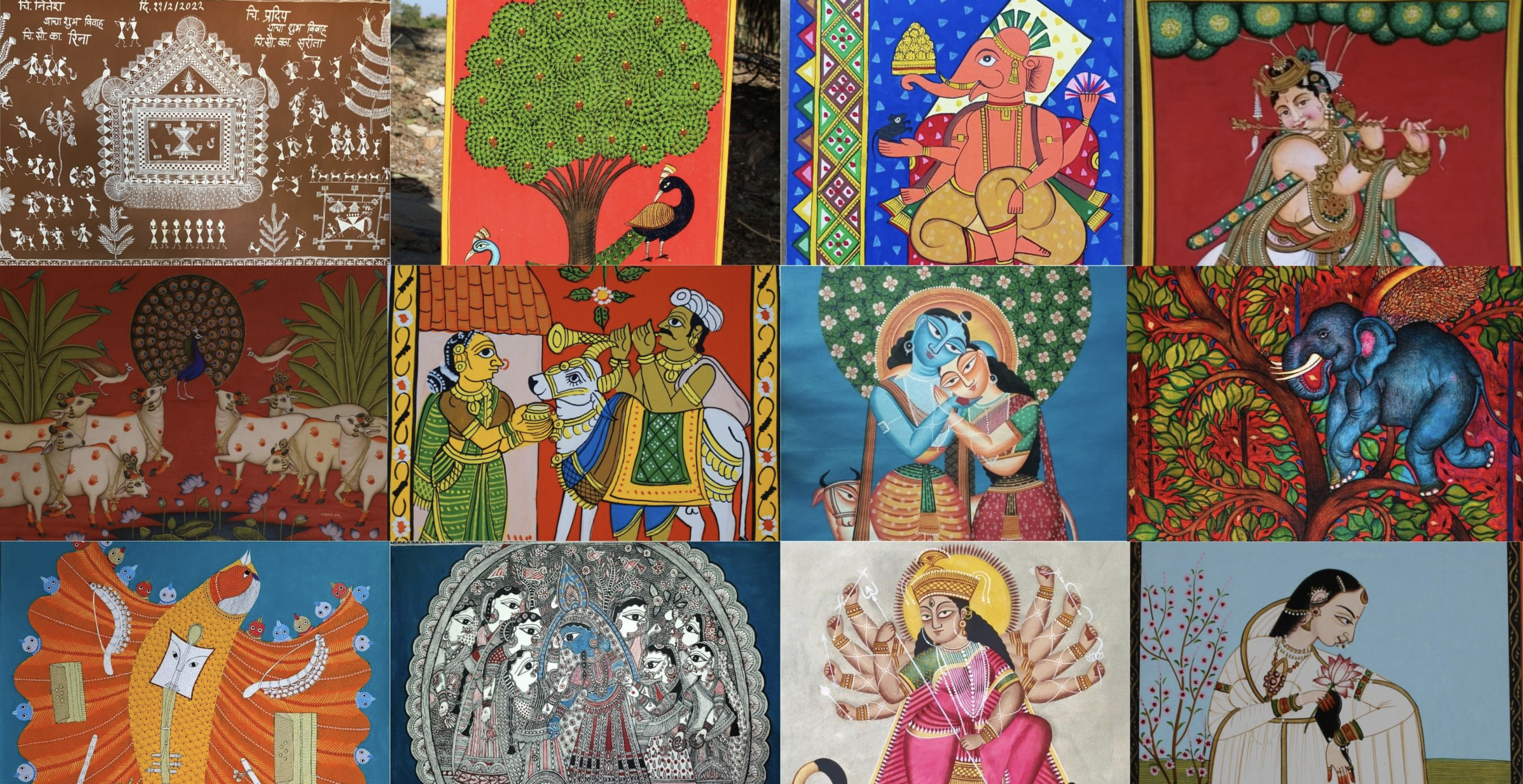
This series focuses on the relevance of tradition and how there are specific folk art forms that are the warp and weft of our heritage, defining who we are and what sets us apart. What are the incredible stories of community, ecology, respect for nature, primacy of hand skills and traditional knowledge systems that are embedded in this tapestry.
We examine select folk art forms across India, distinct bearers of a proud tradition, celebrating such uniqueness but also acutely aware of the struggle of keeping afloat amidst a changing socio-economic scenario where a combination of dwindling support funds and resultant market viability, threaten the very sustainability of the folk art forms itself.
Our journey takes us to the heartland of such activity and we see up close, the passion and resilience of the crafts persons. Authentic, rustic and direct, this suite of films aim to raise awareness of the state of play with compassion, to celebrate the rich heritage that is ours but also sound an urgent call for action to preserve what is precious before it is too late.
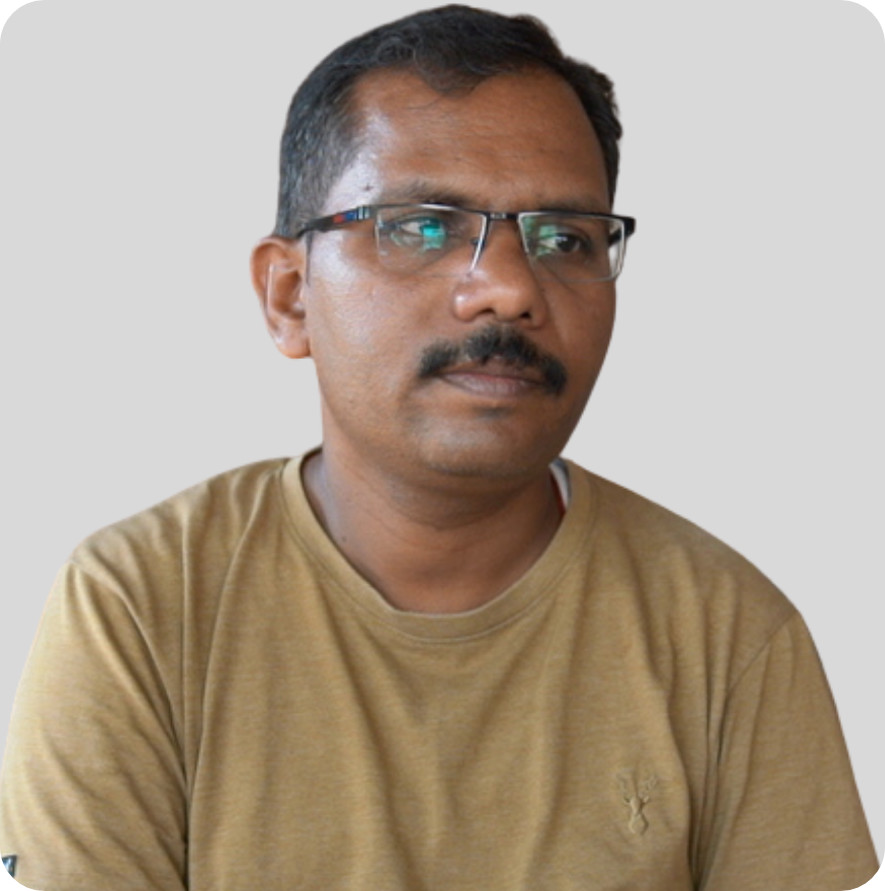
Anil Chaitya Vangad -
Maharashtra
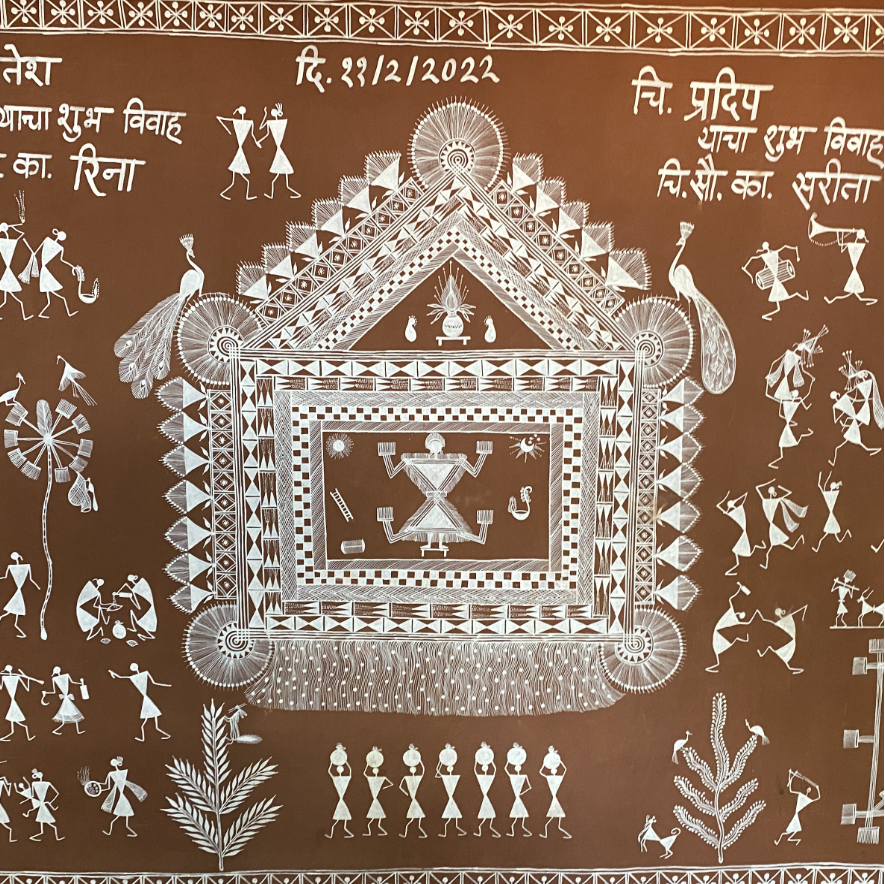
Warli Folk Art
This ancient Indian art is a 2,500-year-old tradition. Warli paintings of the Thane and Nashik areas of Maharashtra are closely linked with nature and the social rituals of specific tribes. Simple geometrical patterns in white against a red or yellow surface are used to depict everyday life scenes. Warli art, with its linear and monochromatic hues, resembles the execution of prehistoric cave paintings.
In conversation with Anil Chaitya Vangad:
https://inkocentre.org/traversing_the_tapestry/warli_folk_art.html

Sathyanarayan Sutar -
Rajasthan
Kavad Folk Art
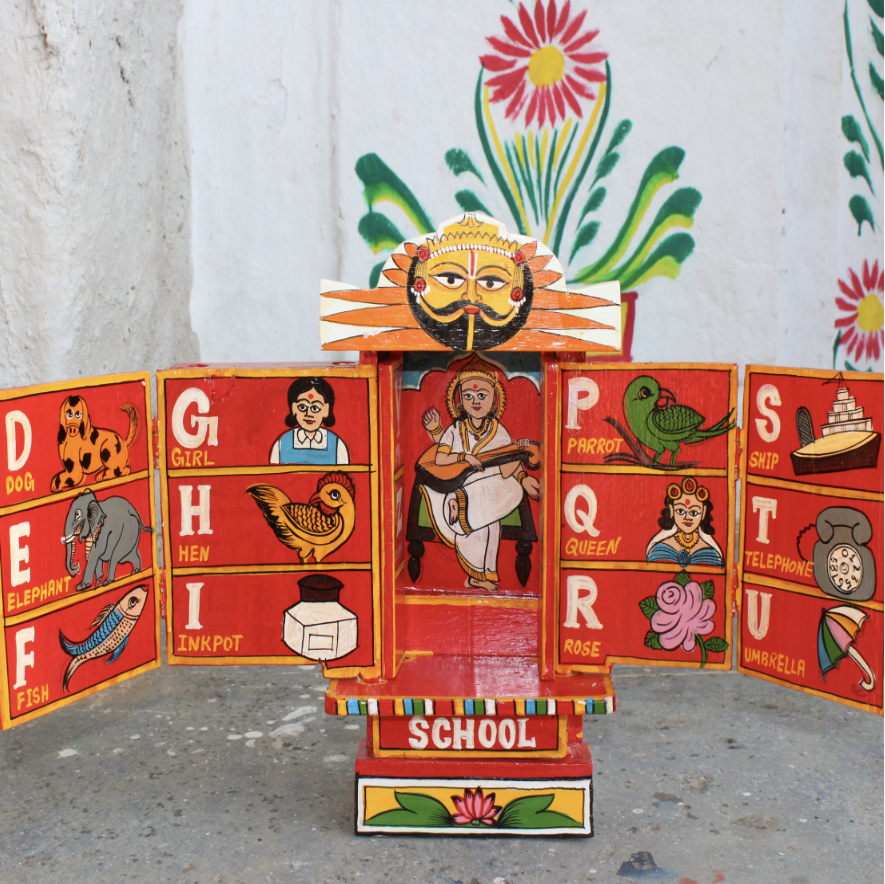
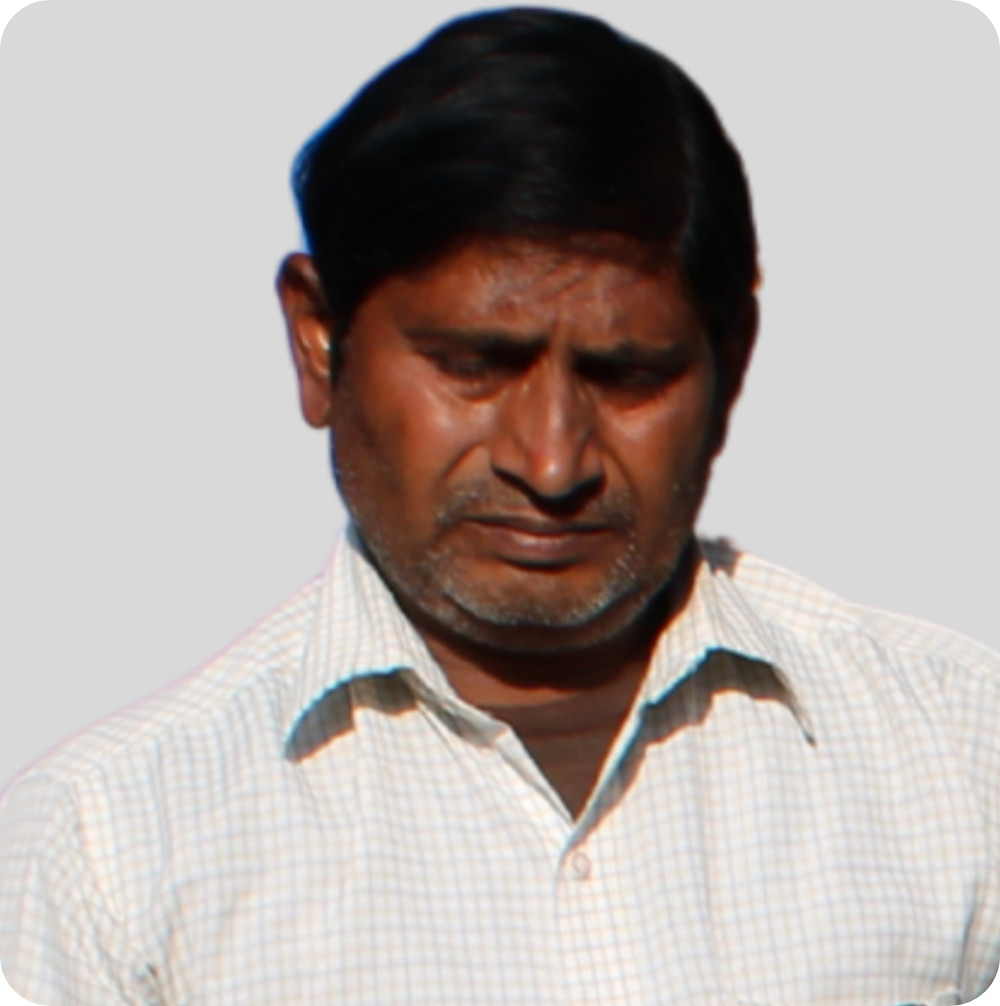
Kavad artwork is a unique form of storytelling that dates back approximately 500 years. Kavad is a Rajasthani art form that originated in the village of Bassi in the Chittorgarh area. Kavad is a portable wooden shrine decorated with stories from the Ramayana and Mahabharata, as well as folklore, which artists would transport from village to village and share with local communities.
In conversation with Sathyanarayan Sutar:
https://inkocentre.org/traversing_the_tapestry/kavad_folk_art.html

Kalyan Joshi -
Rajasthan
Phad Painting
Phad art is a traditional folk painting style from Rajasthan, India, known for depicting epic stories on long cloth scrolls. It features bold colours and intricate details, often used in storytelling performances. Bhopas, or priest-singers, traditionally used these scrolls during village performances, singing and narrating the stories. Phad art blends painting, music and oral storytelling, preserving a rich cultural heritage.
In conversation with Kalyan Joshi:
https://inkocentre.org/traversing_the_tapestry/phad_painting.html

KS Sreehari -
Karnataka
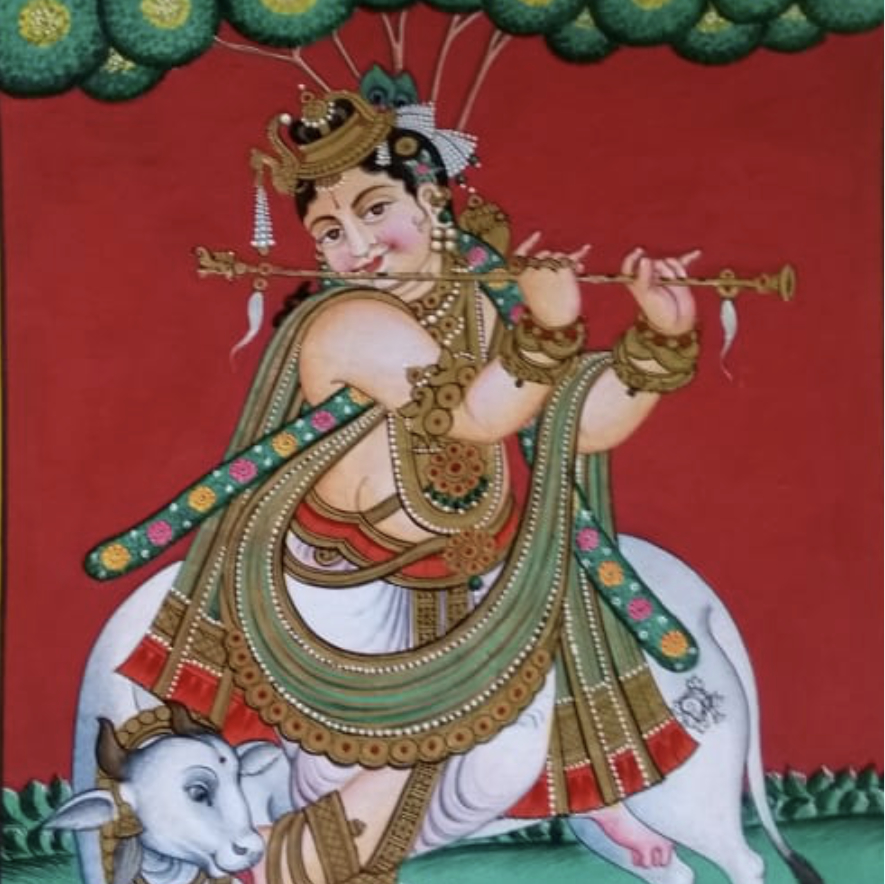
Mysore Painting
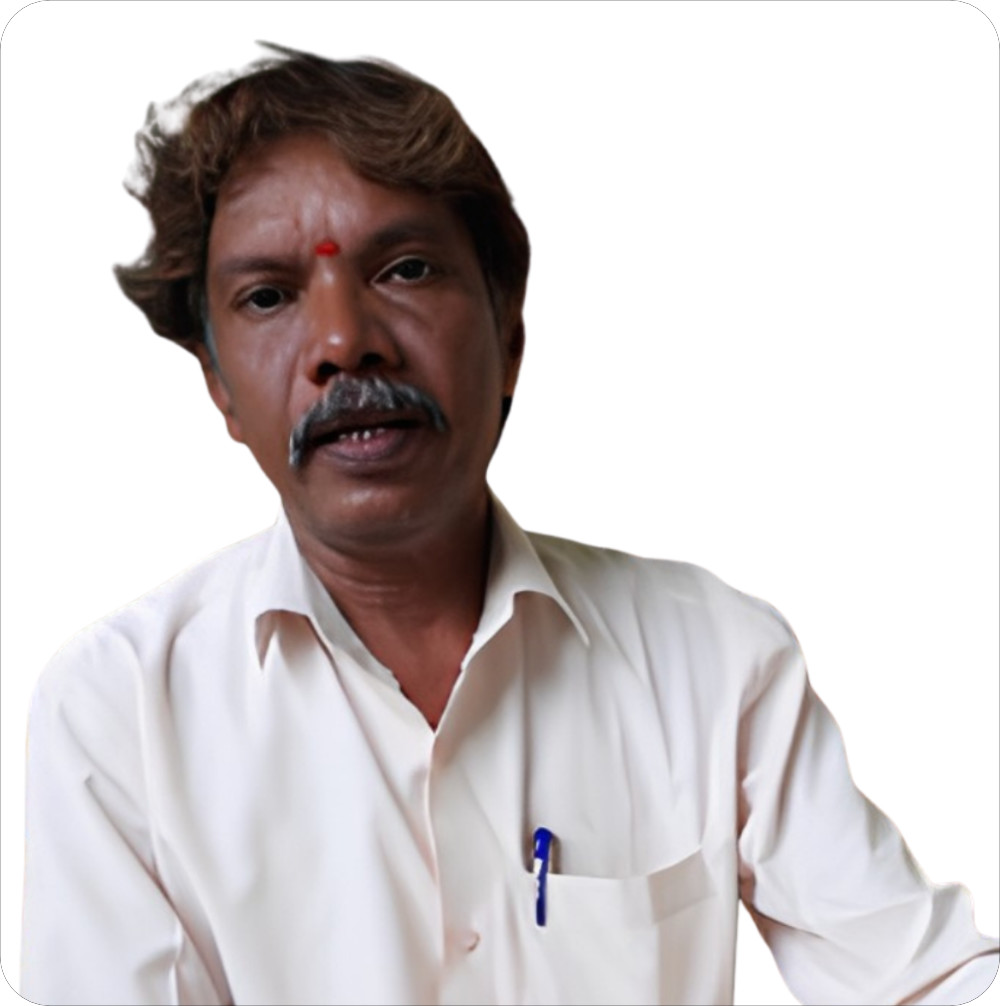
Mysore painting is an invaluable style of traditional South Indian painting that developed in and around Mysore, Karnataka. This art form was encouraged and nurtured by the Mysore emperors. Mysore paintings often depict Hindu gods and goddesses and scenes from Indian mythology, as do many other ancient and classical forms of art in India.
In conversation with KS Sreehari:
https://inkocentre.org/traversing_the_tapestry/mysore_painting.html

Rajaram Sharma -
Rajasthan
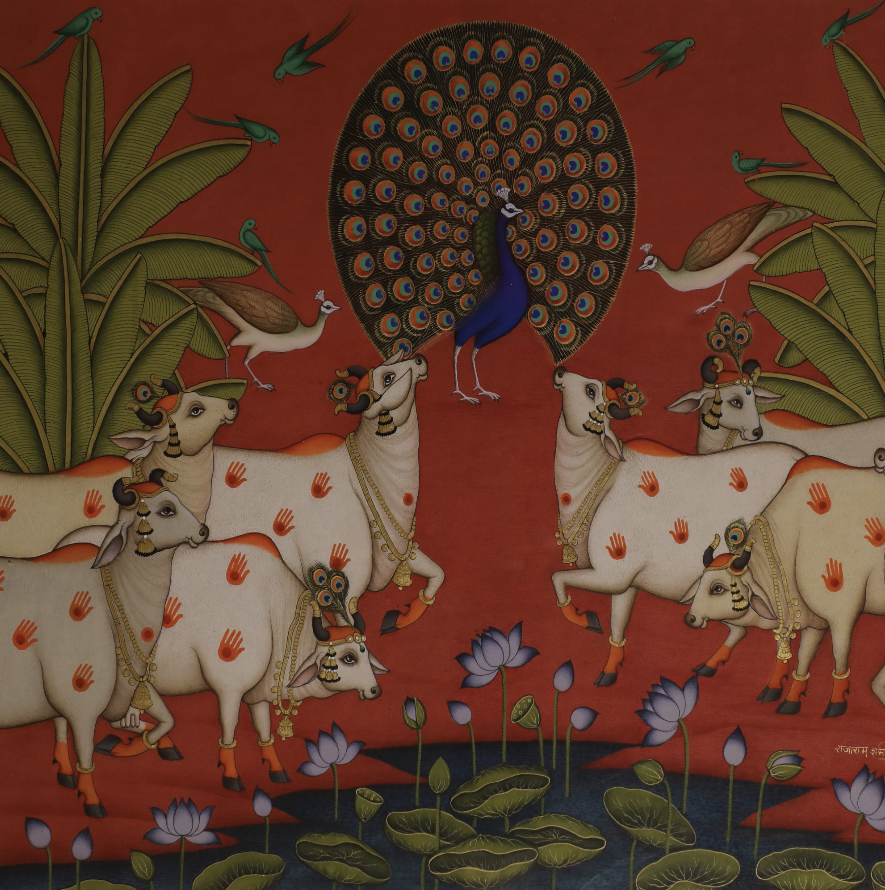
Pichwai Painting
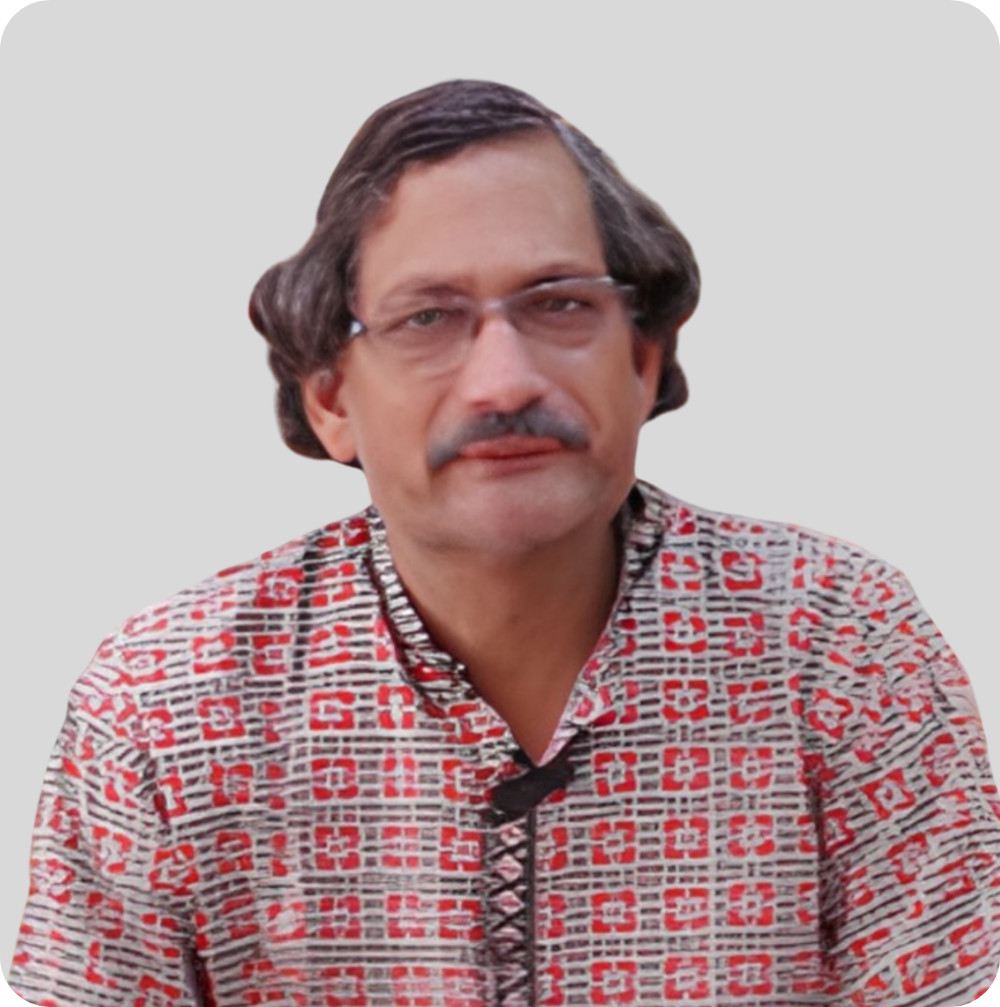
The art of Pichwai originated as wall hangings placed behind the main deity in Krishna temples in Nathdwara. They narrate stories related to Lord Krishna. Gradually, secular themes were also incorporated into the Pichwai style of painting. Pichwais are colourful and intricate works of art with concealed symbolism in the artistic motifs. This distinct devotional art practice has passed from one generation to another and remains a fine example of spirituality in art.
In conversation with Rajaram Sharma:
https://inkocentre.org/traversing_the_tapestry/pichwai_painting.html

Sai Kiran -
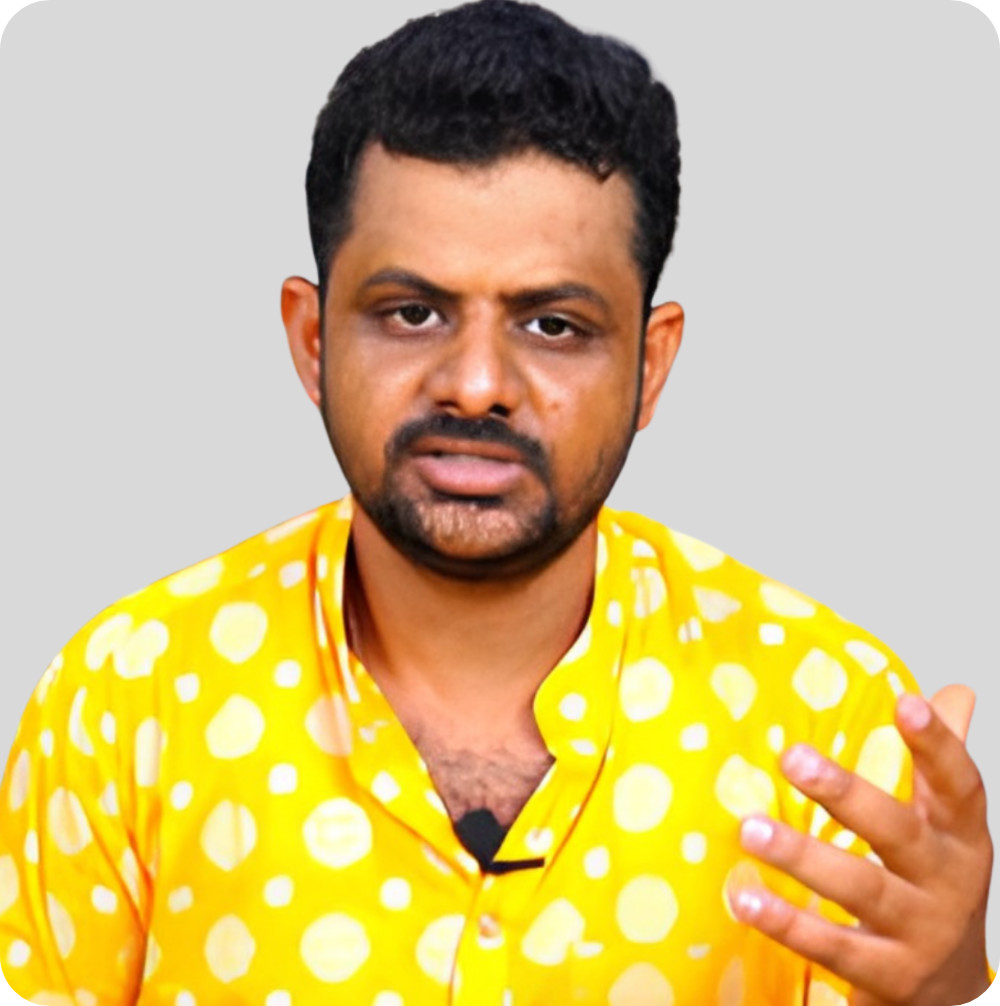
Telangana
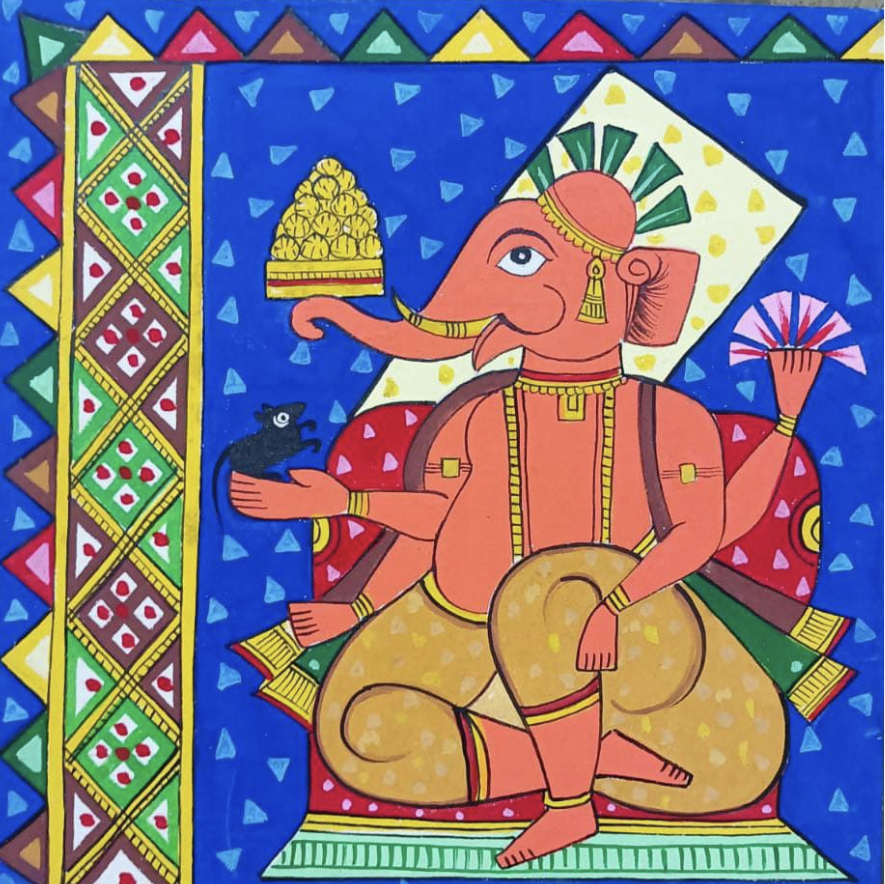
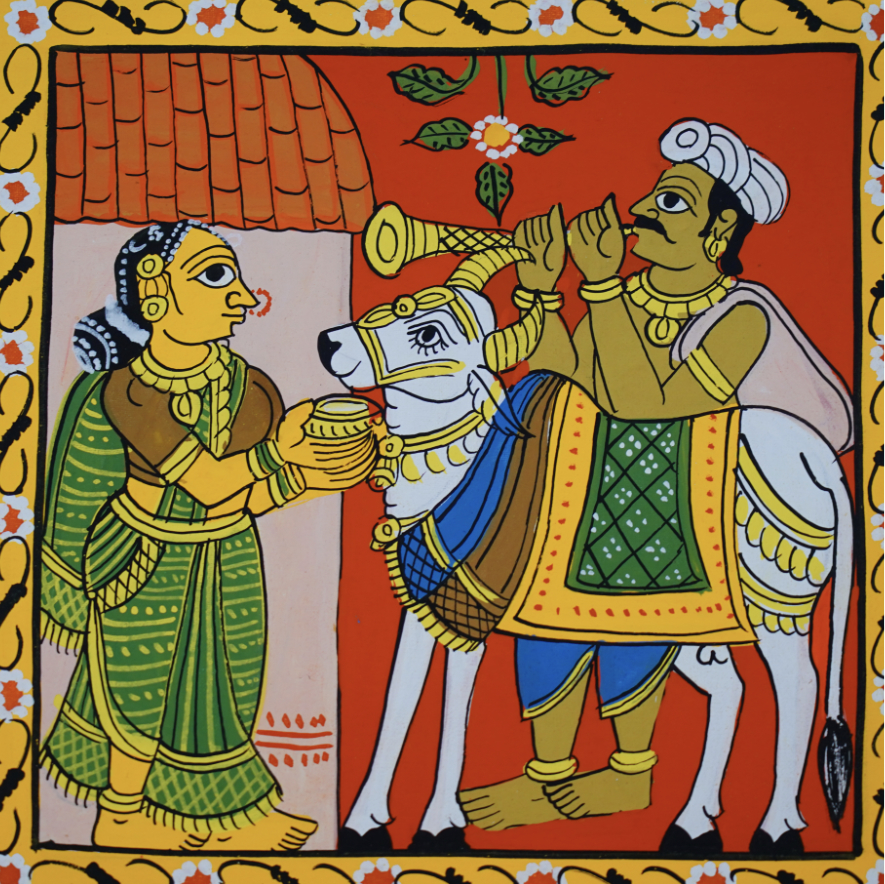
Cheriyal Scrolls
The long scroll tradition is a fascinating blend of dexterous visual art and fluid, lyrical storytelling. Cheriyal scrolls are a highly stylized form of Nakashi art, with each scroll traditionally comprising a series of narrative scenes. Saints and storytellers travelled across the region, singing and narrating epics with these long scrolls. Words and music come together to tell a story. Nakashi art is a traditional Indian folk art known for vivid scroll paintings and intricate wood carvings, often depicting mythological stories.
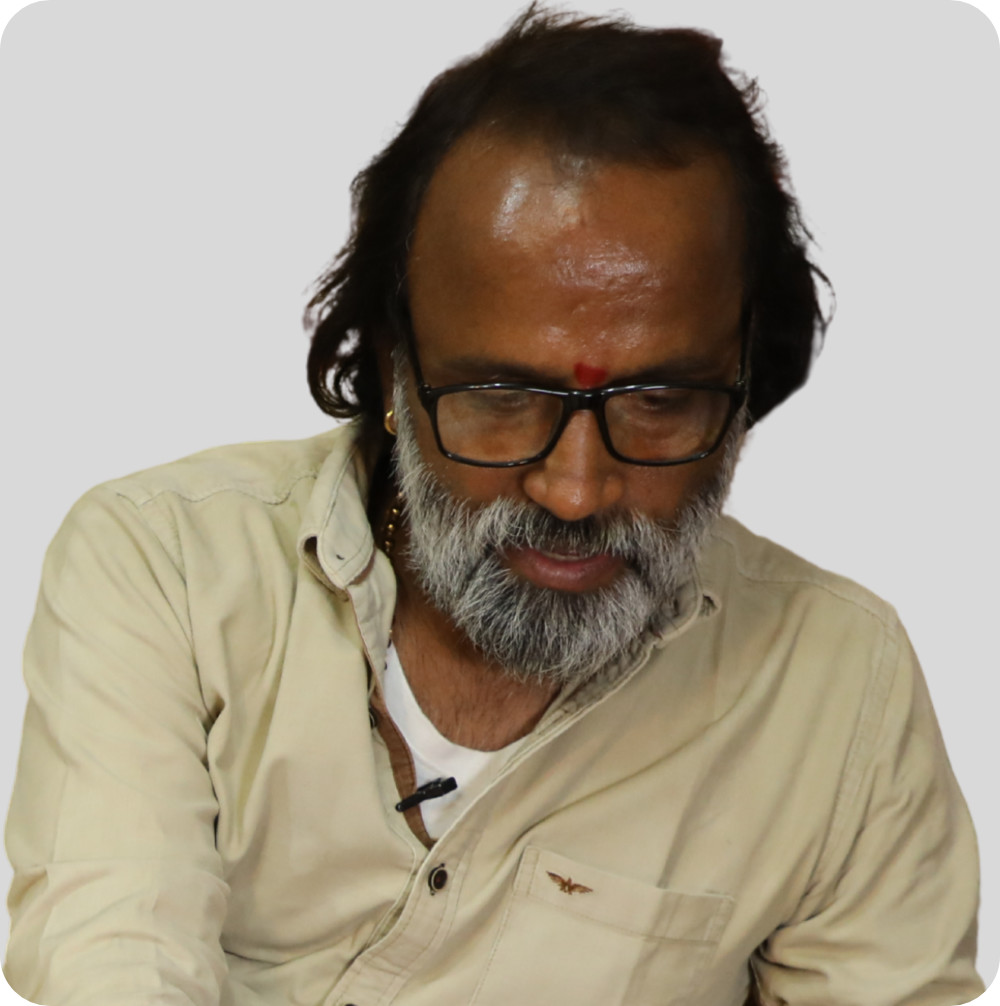
In conversation with Sai Kiran:
https://inkocentre.org/traversing_the_tapestry/cheriyal_scrolls.html

Swarna Chitrakar -
West Bengal
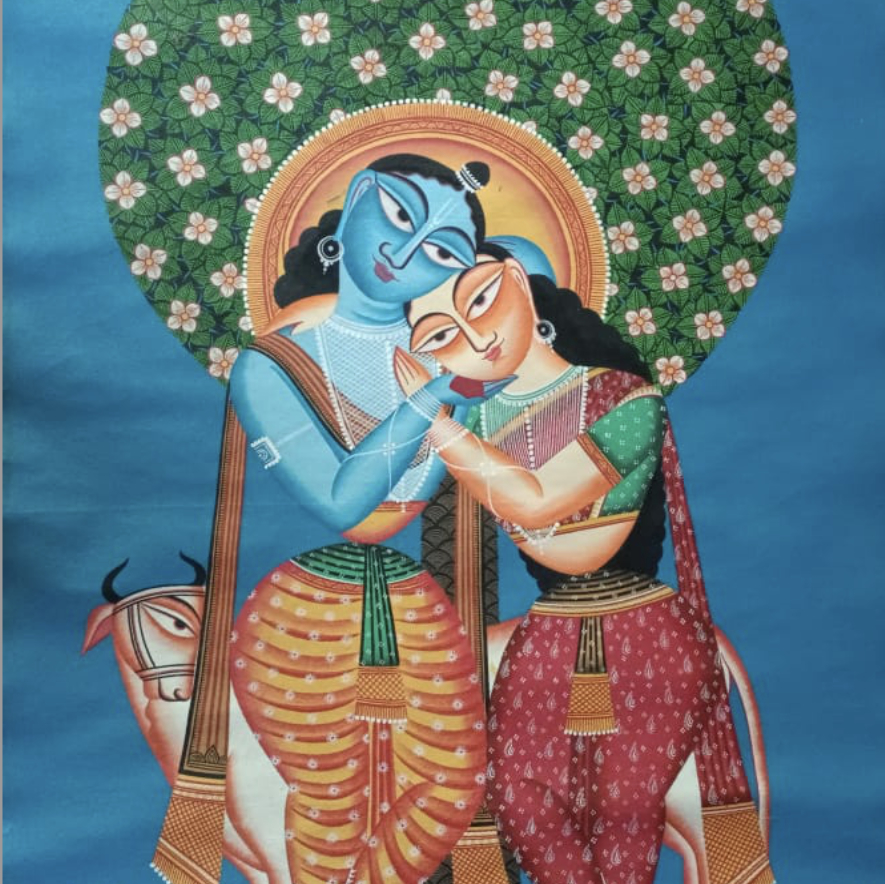
Pattachitra Painting
The word Pattachitra means 'image on canvas' in Sanskrit, with patta meaning canvas and chitra meaning image or painting. Pattachitra originated in the Indian states of Orissa and West Bengal and dates back to around the 5th–7th centuries. The main theme of this art form is mythology, and most paintings are influenced by the Vaishnava cult. This is why Lord Krishna features prominently in these paintings.
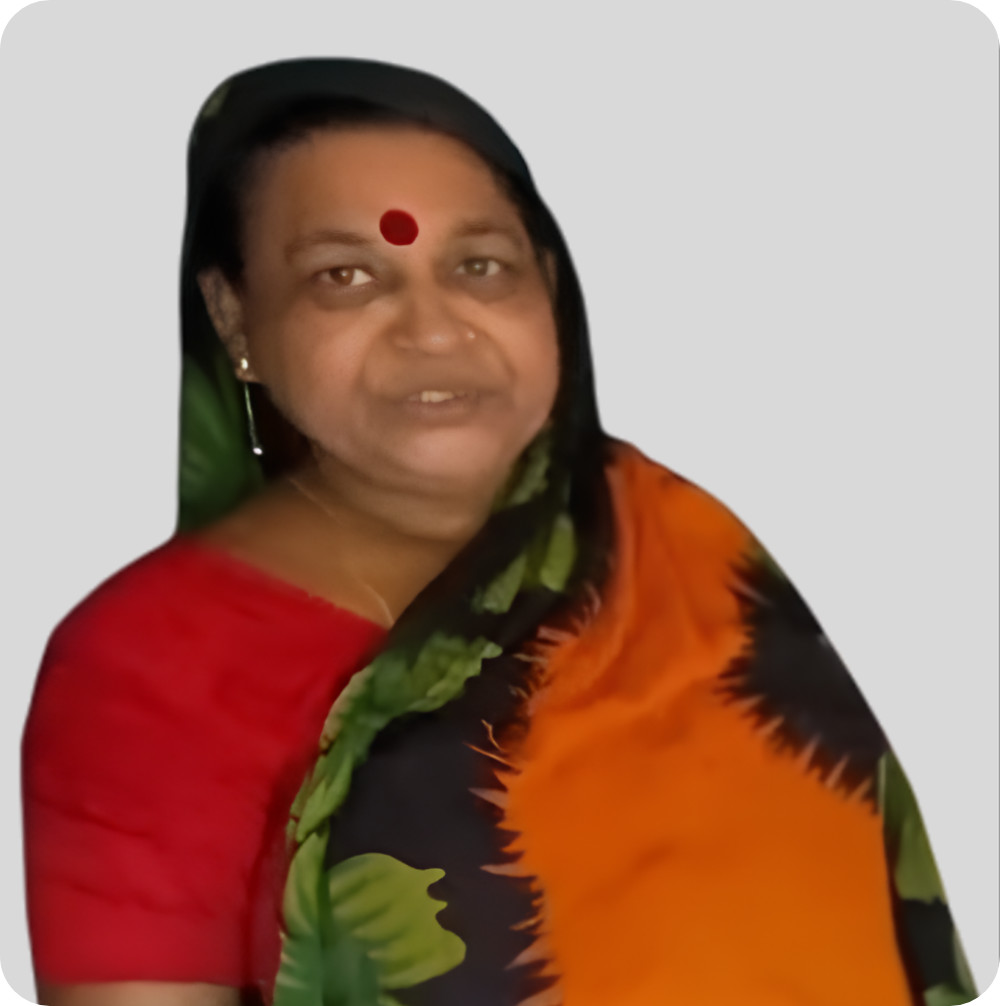
In conversation with Swarna Chitrakar:
https://inkocentre.org/traversing_the_tapestry/pattachitra_painting.html

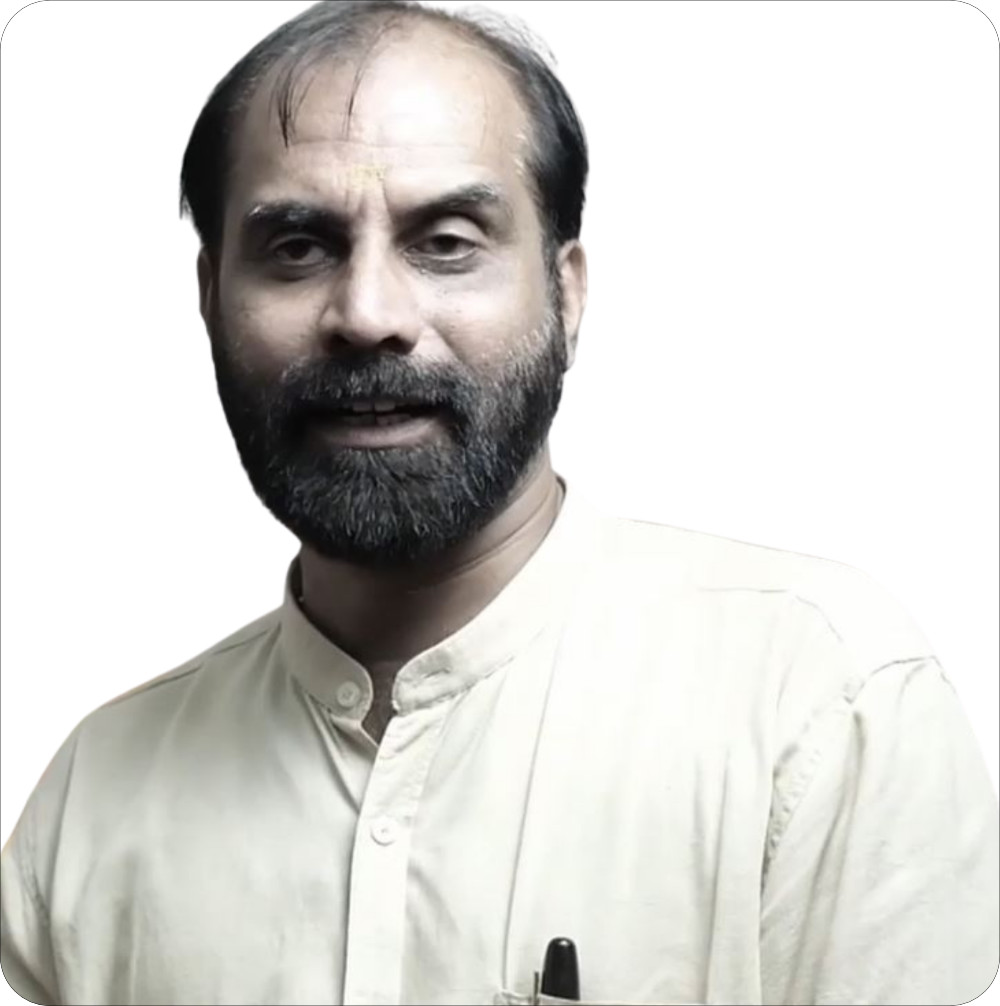
Krishna Kumar -
Kerala
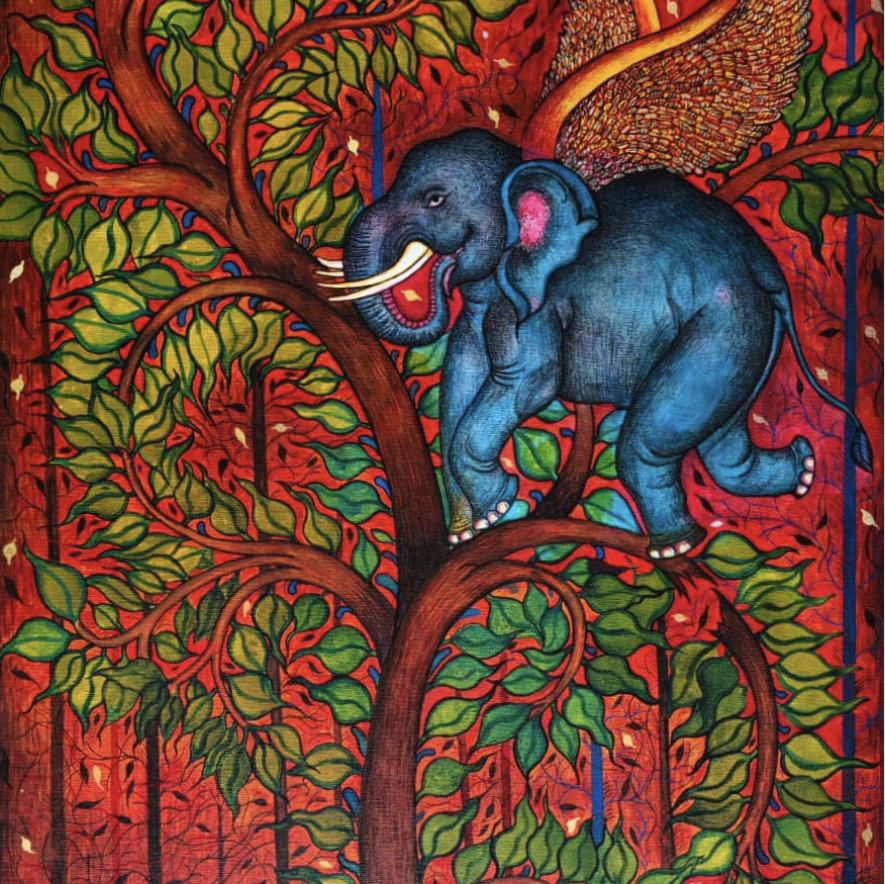
Kerala Murals
The Kerala mural style draws inspiration from indigenous ritual art forms such as Kalamezhuthu and Patayani. Kerala mural paintings are among the world's most renowned mural traditions and have deep spiritual roots, depicting themes from Hindu mythology and epics, including the playful exploits of Krishna, as well as the mystic forms of Shiva and Shakti. They also recount stories of legendary heroes from a bygone era. This traditional art style dates to the seventh and eighth centuries CE and is characterised by vivacious imagery, bold strokes and vivid colours.
In conversation with Krishna Kumar:
https://inkocentre.org/traversing_the_tapestry/kerala_murals.html

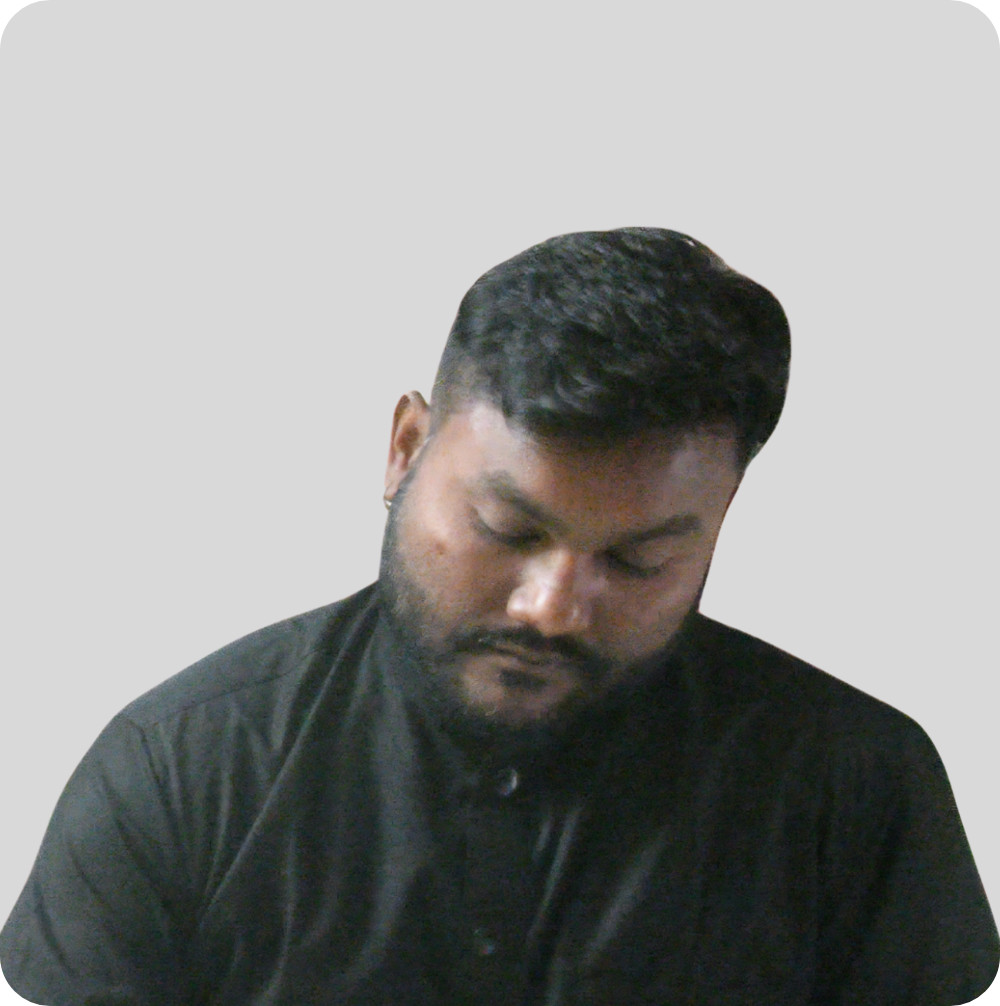
Mayank Shyam -
Madhya Pradesh
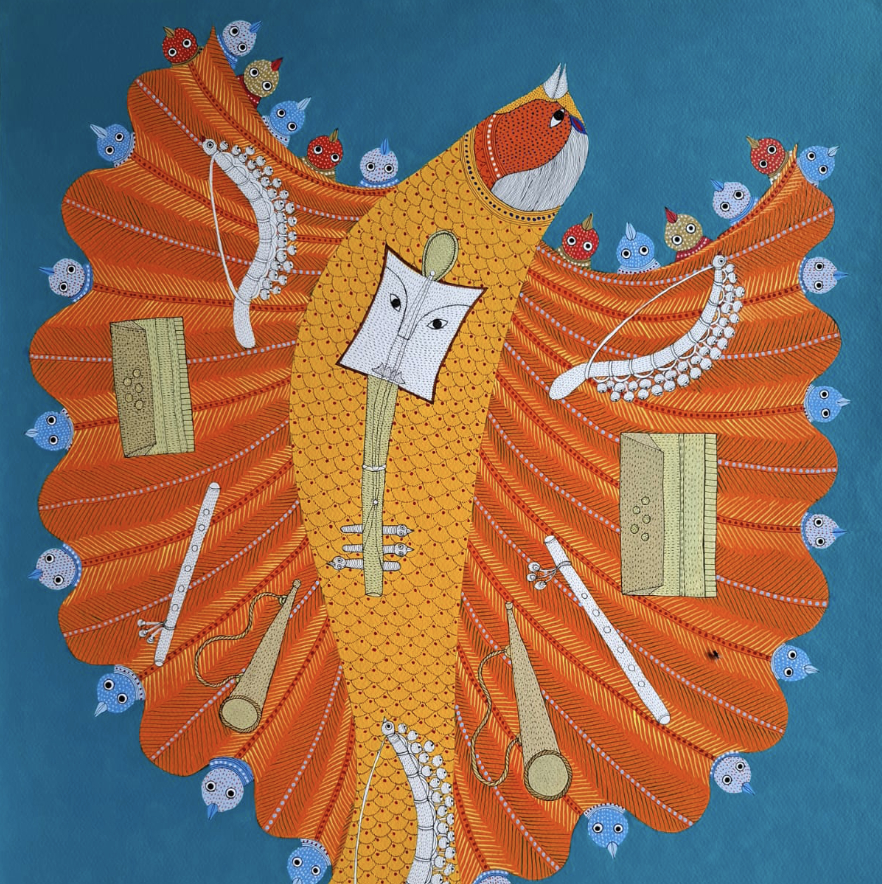
Gond Art
One of the largest tribes in India, the Gond tribe, which lives predominantly in Madhya Pradesh, has a long history of creating Gond paintings dating back centuries. This traditional art form can be seen as an expression of gratitude to Mother Nature, as these paintings traditionally depicted flora and fauna. Materials used today include acrylic paints, while traditionally, artisans used colours derived from leaves, cow dung, plant sap and coloured soil.
In conversation with Mayank Shyam:
https://inkocentre.org/traversing_the_tapestry/gond_art.html

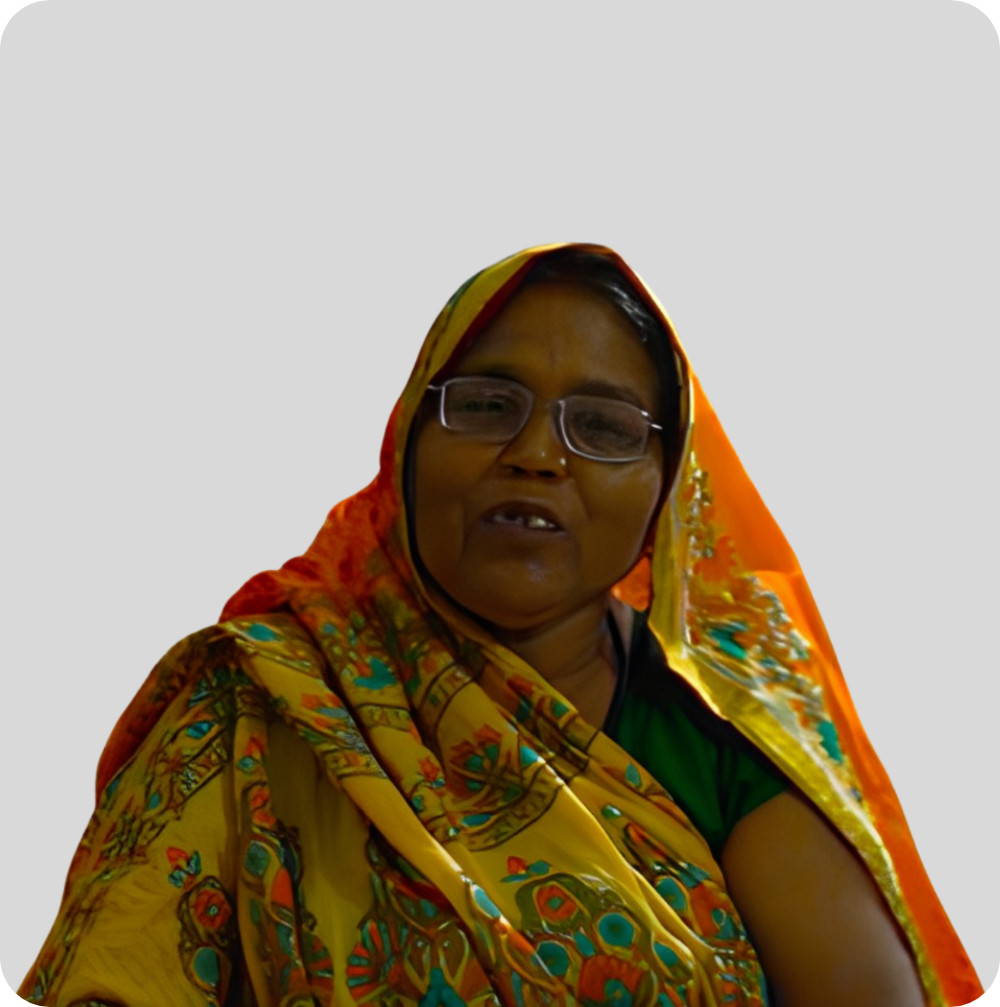
Dulari Devi -
Bihar
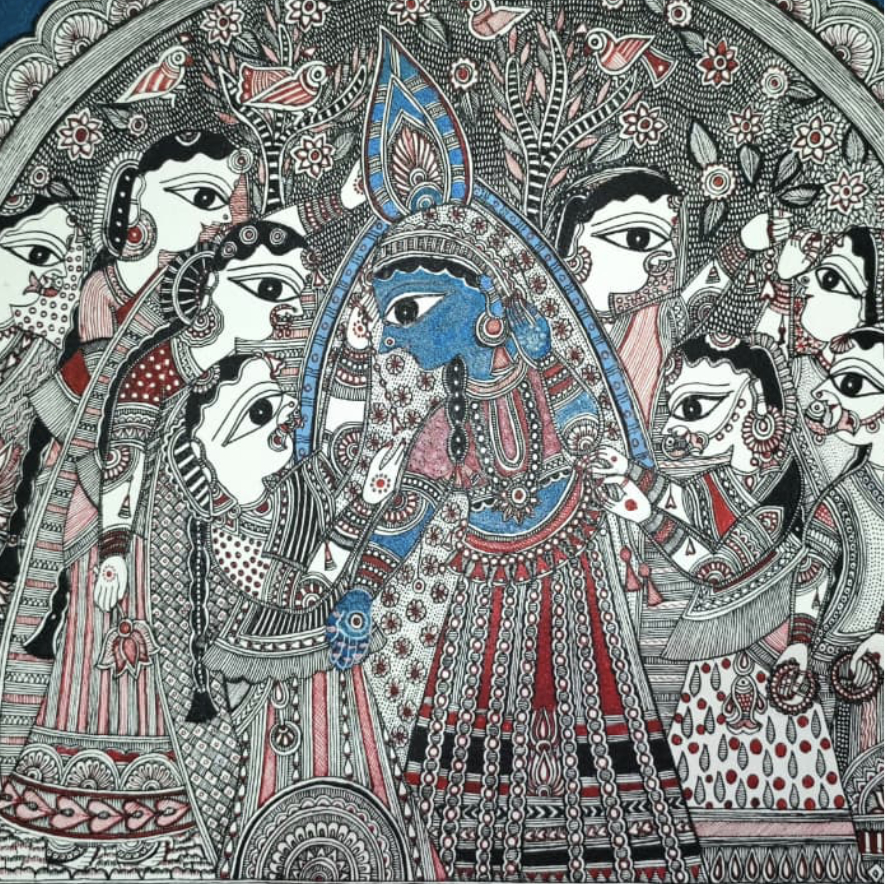
Madhubani Painting
Madhubani painting is a world-renowned art form practised in the Mithila region of the Indian subcontinent. This painting is created using a variety of tools, including fingers, twigs, brushes, nib pens and matchsticks, along with natural dyes and pigments. It is characterised by its distinctive geometric patterns. Madhubani paintings are also known for the representation of ritual content on special occasions such as festivals and religious rituals. It takes hours of dedication and skill to complete an artwork.
In conversation with Dulari Devi:
https://inkocentre.org/traversing_the_tapestry/madhubani_painting.html

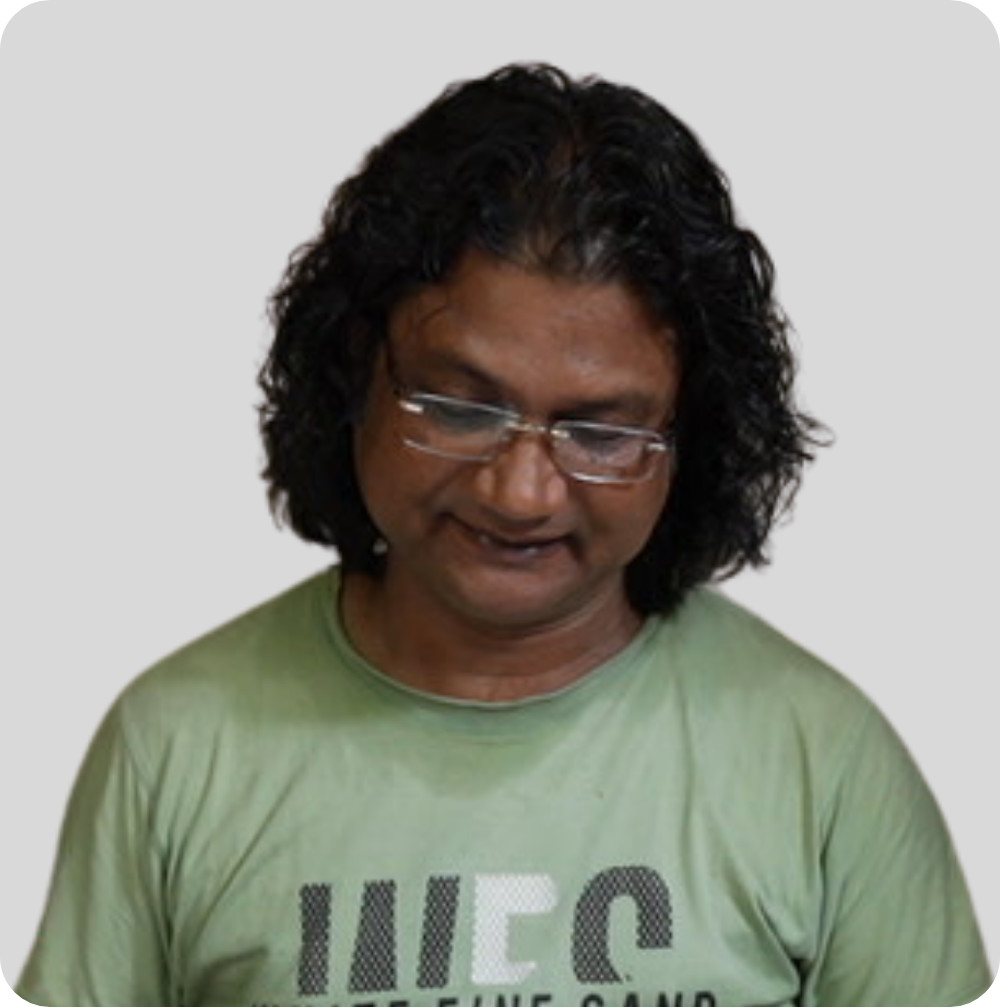
Anwar Chitrakar -
West Bengal
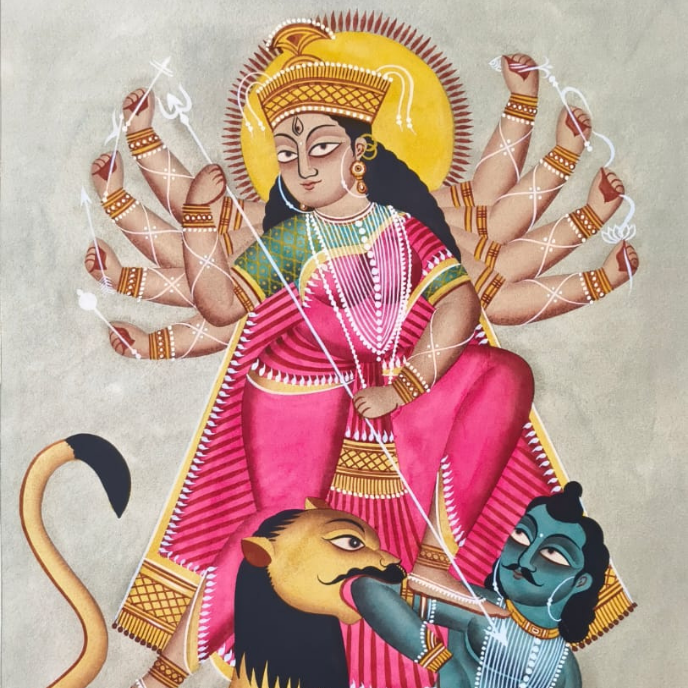
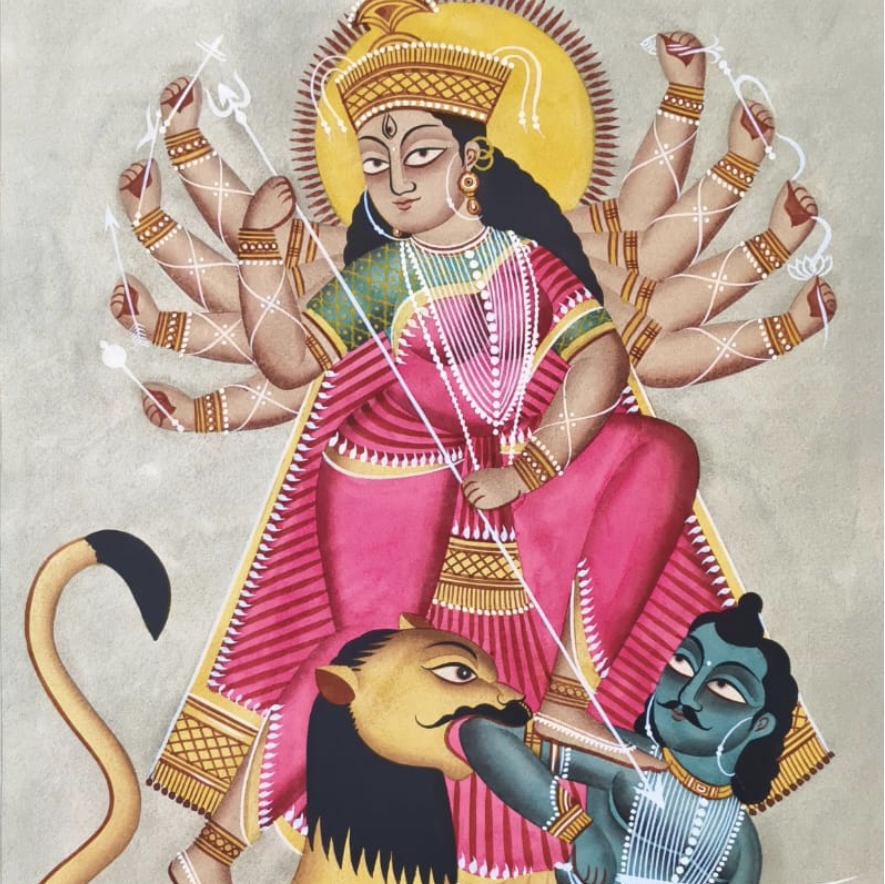
Kalighat Painting
The Kalighat painting style was developed in the mid-19th century in the neighbourhood of the Kali Temple in Calcutta. These paintings on paper were created by artists known as patuas, hence the name Kalighata Pata. The artists depicted scenes from everyday life and mythological narratives in a simple yet captivating style, which evolved into the popular Kalighat tradition. Kalighat painters traditionally used earthy colours such as indigo, ochre, Indian red, grey, blue and white.
In conversation with Anwar Chitrakar:
https://inkocentre.org/traversing_the_tapestry/kalighat_painting.html

Anil Kumar -
Himachal Pradesh
Kangra Miniatures
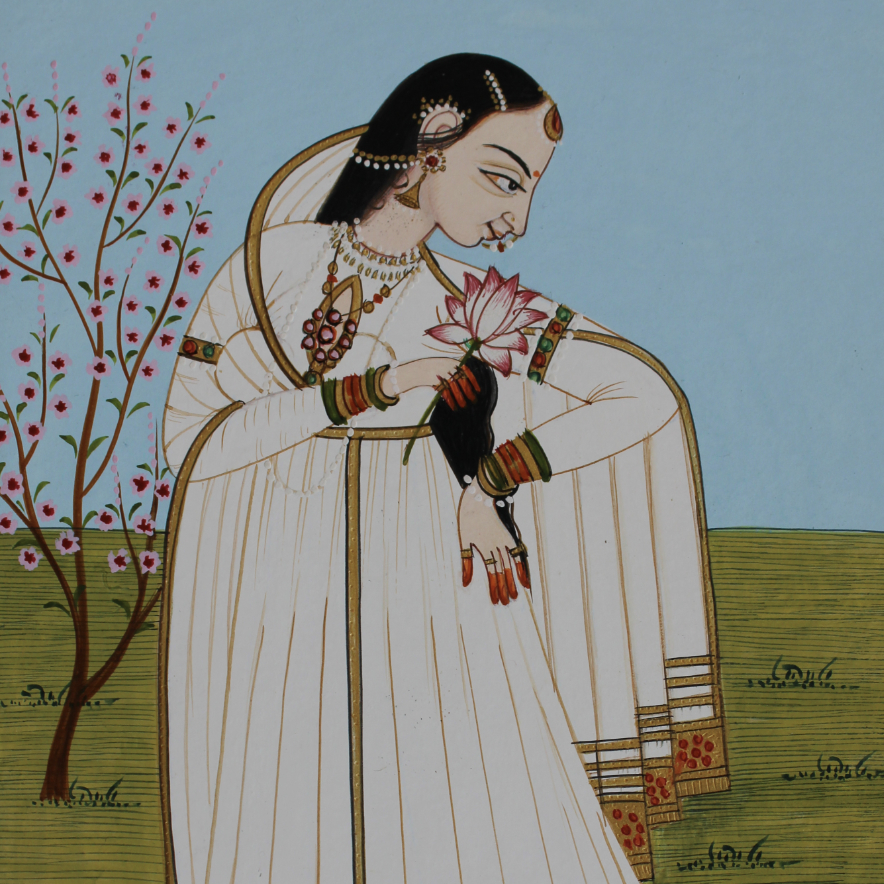
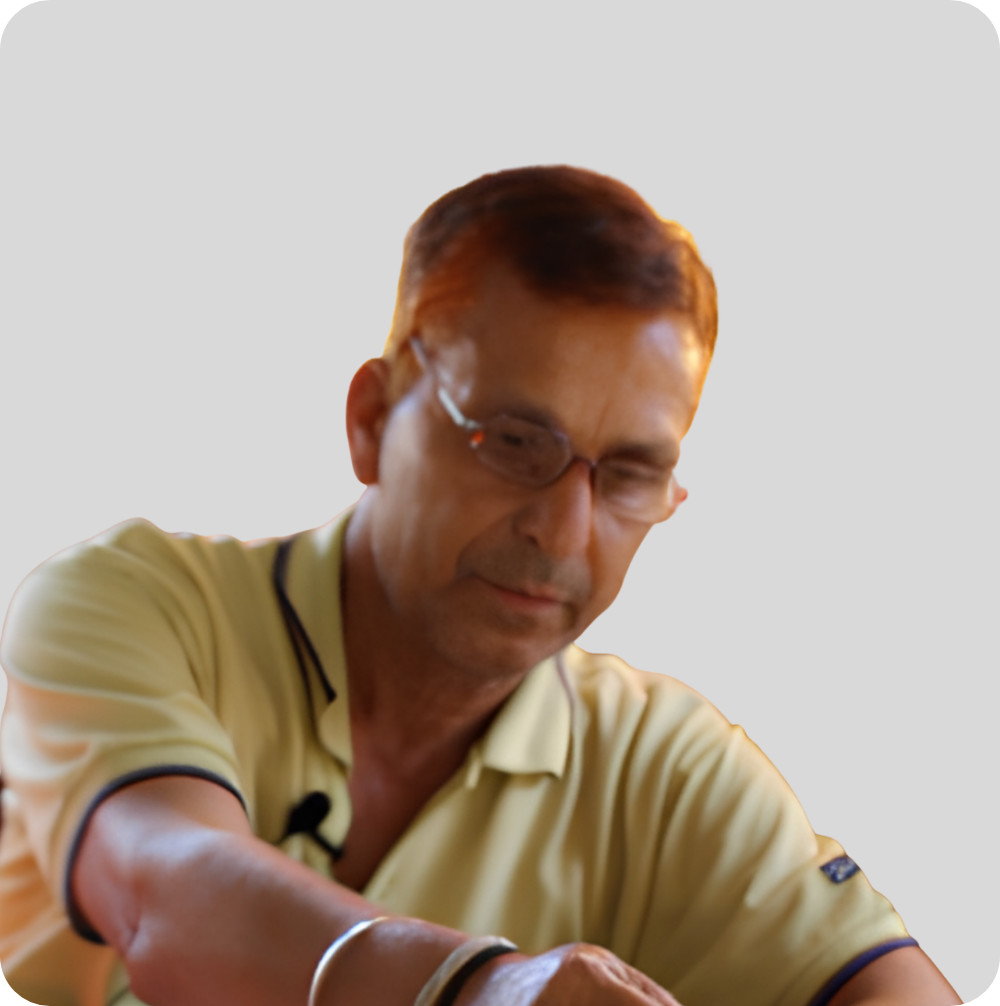
Kangra painting is a renowned Pahari miniature art form that originated in the Kangra region of Himachal Pradesh, a former princely state that patronised the art form. It became prominent as the Basohli school of painting declined in the mid-18th century. It soon produced an extensive body of work, both in terms of subject matter and volume, and the Kangra style became one of the most prominent schools within the Pahari painting tradition.
In conversation with Anil Kumar:
https://inkocentre.org/traversing_the_tapestry/kangra_miniatures.html

The 12 films featured as part of Traversing the Tapestry will be available for viewing online:
https://inkocentre.org/traversing_the_tapestry/full_flim.html
My journey through twelve distinct tribal art traditions took me far beyond galleries and museums, into the remote interiors where
these folk art forms are born and nurtured. I travelled to villages, lived alongside the artists, shared their everyday moments, listened
to their stories and witnessed the intimate relationship between art, community, nature and life. Each encounter revealed that tribal
art is not merely a visual language, but a living tradition deeply rooted in memory, belief and identity. This journey was profoundly
enriching and, in many ways, life-changing. It left me with a deeper respect for the artists, their resilience and the timeless wisdom
their work carries.
- Ritu Bhandari
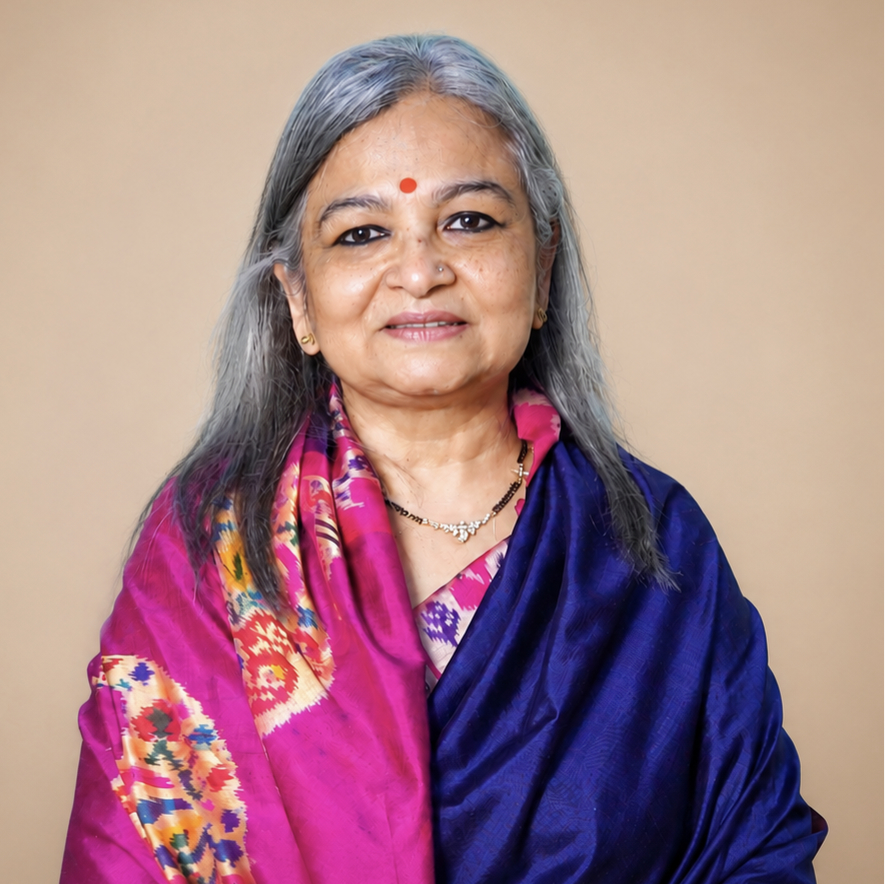
As a curator, my practice is rooted in celebrating India's livingy traditions through tribal art, handwoven textiles, block printing and artisanal crafts. My journey across the interiors of India, documenting twelve tribal folk art forms, transformed the way I understand creativity—not as an object, but as a way of life. Living with artists, listening to their stories and witnessing their daily rhythms revealed the resilience and wisdom woven into every creation. Through my work, I strive to build meaningful bridges between traditional artisans and contemporary audiences, ensuring these remarkable cultural legacies continue to be seen, valued and celebrated.
Craft Intelligence: Community, legacy and the changing marketplace.
One of the challenges in the efforts to preserve and sustain crafts is that between ‘ (to)Be versus Becoming’ of the craftsperson, the
latter being dynamic and mutable. Craft involves an aspect of heredity, a set of skills to be acquired, a body of knowledge to be
transmitted, an aspect of non-formal and ‘non-modern’ instruction, it is considered different from fine art/artistic practice and
different from scientific or disciplinary canons. Craft is also involved in placemaking for touristic purposes while corporate patronage
in this sector is growing, albeit slowly. The panel will explore the question of craft traditions as a way of life rather than simply a
means of livelihood and the inherent challenges and opportunities that lie therein.
- Anitha Pottamkulam
Curator- Galleries
DakshinaChitra Museum
The exhibition opening complemented by the screening and the panel discussion titled Craft Intelligence - Community, legacy and the changing marketplace moderated by Anitha Pottamkulam, Curator Galleries, DakshinaChitra Museum
There will be three workshops running simultaneously
Phad Painting: Vijay Joshi
Kalighat Painting: Anwar Chitrakar
Kerala Murals: Krishna Kumar
Limited seats available and registration is mandatory. Please register by clicking the link provided. All registered participants are requested to attend all four sessions pertaining to the selected art form.
For further information and to register for the workshops, please vist: https://forms.gle/Sktc3eVuuLa8RmXp6 or contact InKo Centre — T: 044 24361224 · E: enquiries@inkocentre.org
Chuseok Festival
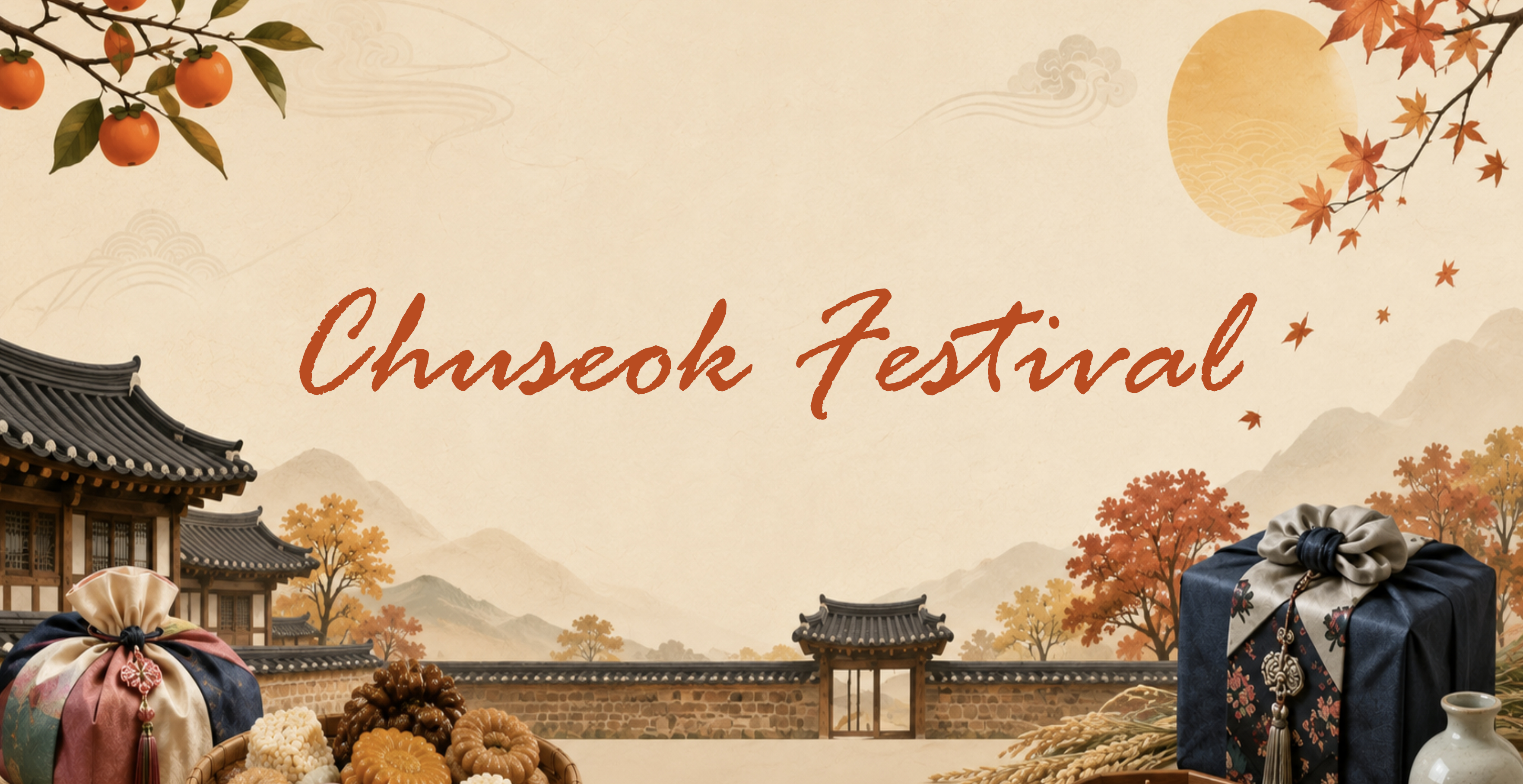
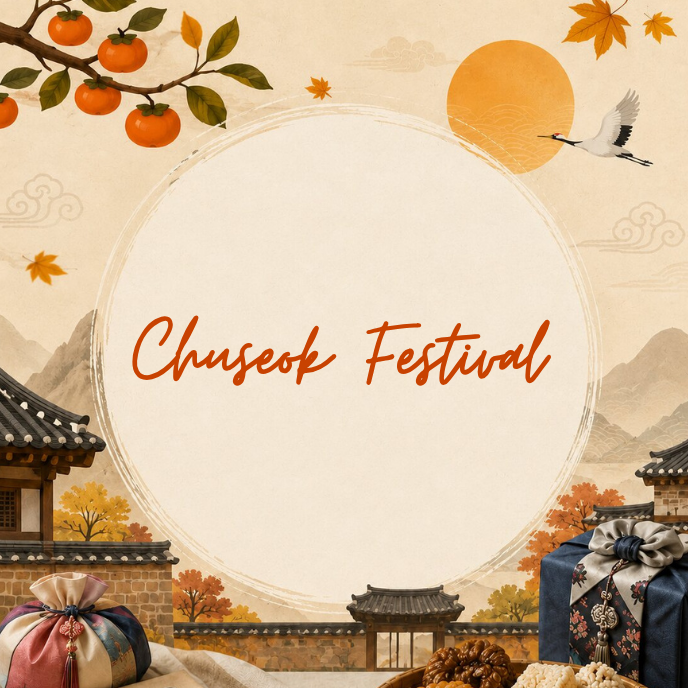
Chuseok (추석), originally known as Hangawi (한가위), is a major harvest festival in Korea. It is a three-day holiday celebrated in Korea on the 15th day of the 8th month of the lunar calendar.
As a celebration of a good harvest, Koreans visit their ancestral hometowns, share a feast of traditional Korean food and engage in traditional games.
As the harbinger of harvest, Chuseok resonates with and shares many similarities with festivals such as Pongal and other harvest-related festivals across India.
Korea’s Thanksgiving Festival of Chuseok — get ready to celebrate the occasion in Chennai, in a traditional and fun way, on a day filled with exciting contests and immersive traditional Korean games and activities, along with the authentic taste of Korean snacks.
For further information, please contact InKo Centre — T: 044 24361224; E: enquiries@inkocentre.org
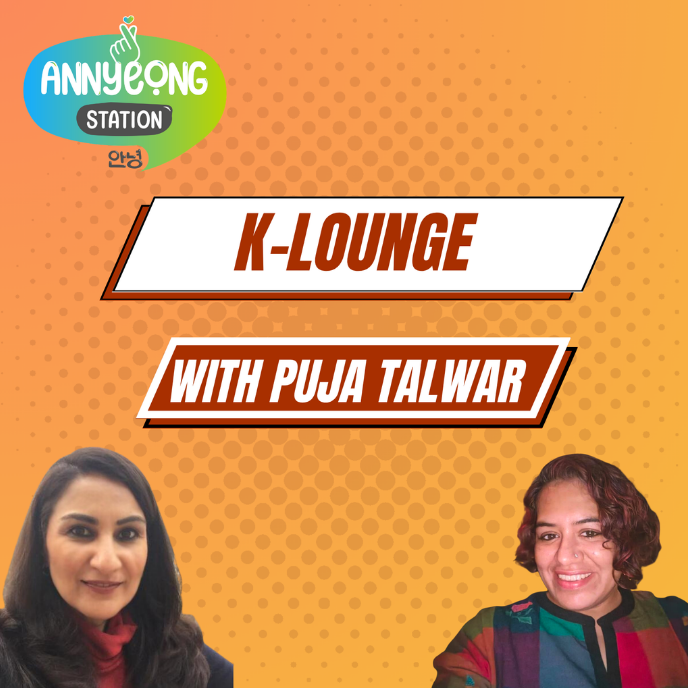
Annyeong Station Season:6 Episode-1
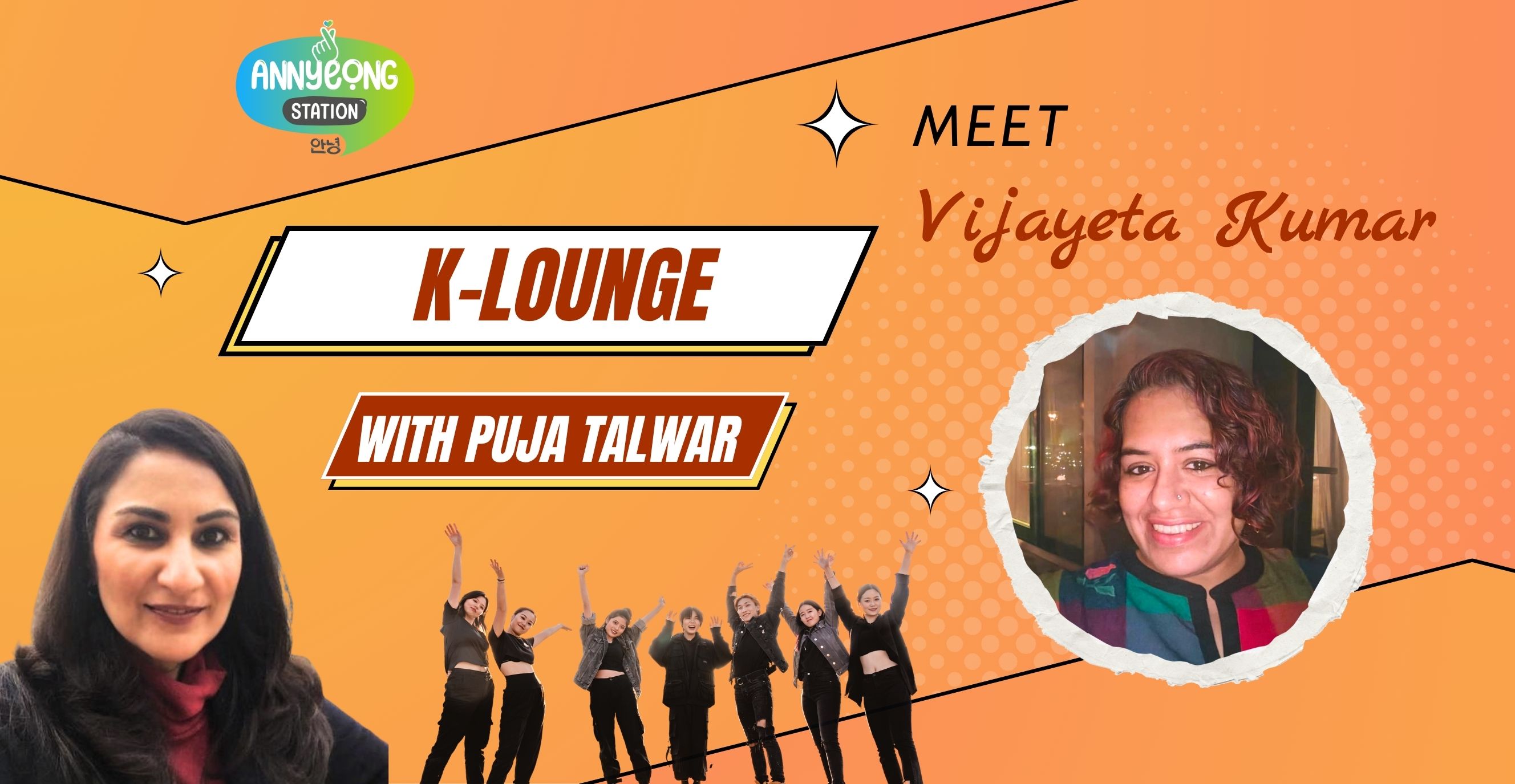
Annyeong Station, is a platform in our online infotainment section, for conversation, interaction and exchange. With a focus on Korean popular culture, this online space will periodically present K-lounge curated interactions with industry specialists and influencers.

In the first episode of Season 6 of the K-Lounge segment on Annyeong Station, we bring you a compelling conversation with Vijayeta Kumar, a film director and writer based in Mumbai. In dialogue with host Puja Talwar, Vijayeta brings her distinctive perspective on cinema, storytelling and contemporary culture, drawing from her diverse experience across filmmaking and the creative industries. An engaging episode for audiences interested in cinema, culture and the evolving landscape of storytelling.
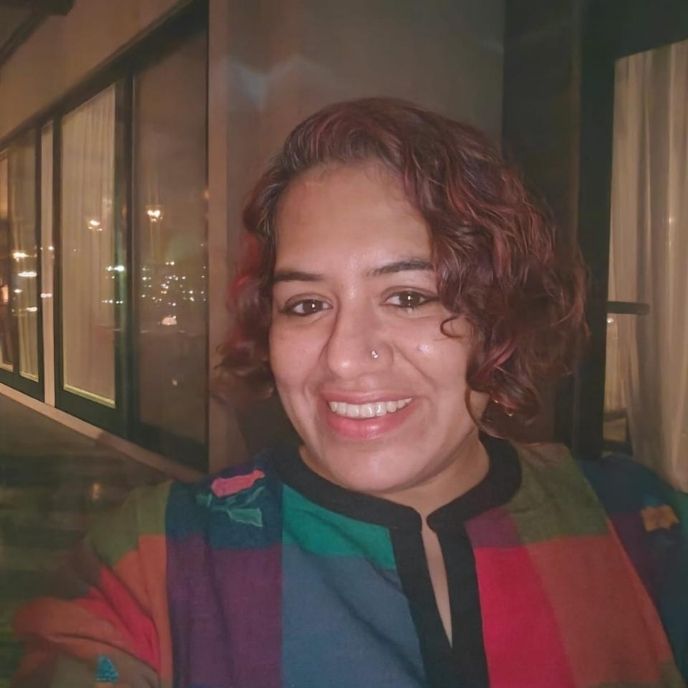
Vijayeta Kumar is a film director and writer living in Mumbai.
Her first short film, Blouse, won the Best Short Film award at the NYIFF. Her latest short, Sunny Side Up, is now available on Netflix as part of the anthology Zindagi in Short. This film is also one of the first films in India that had an all-women crew.
Her last film Kicking Balls is produced by Academy Award winner Guneet Monga of Sikhya Entertainment. Now available on Waves, it had a great festival run and won awards including the Best Short Doc United Nations Association Film Festival and Best Docu Short at NYIFF 2022.
She also made a six-part series on women start-up founders called She Builds for National Geographic and Disney+ Hotstar. Released in March 2022, it was nominated for the Asian Academy Creative Awards in Singapore.
She has two feature film scripts that are in the development stage. One of them is being produced by Anurag Kashyap and Flip Films.
Her filmography also includes assisting the award-winning director Pamela Rooks and several other directors on their Hindi feature films and TVCs.
She has also styled AR Rahman and Priyanka Chopra for the Oscars, magazine covers, etc. Apart from films and fashion, she has also contributed essays and articles to magazines like Conde Nast Traveller, Marie Claire and Femina.
She was born in Ajmer, but grew up in different cities all over India thanks to her father’s job in the paramilitary forces. Deeply interested in pop culture, she studied film at the premier institution AJKMCRC, Jamia Milia Islamia, New Delhi.
She discovered feminism in college and likes telling stories about women, in the guise of entertainment. Her stories have heart and humour and they make you pause, ponder and smile.
Puja Talwar is the Senior Journalist and Editor with over 30 years of experience. in Broadcast Journalism. Puja is a Writer, Show Host and Moderator. She hosts the popular series 'Candid Conversations With Puja Talwar' on YouTube. and a podcast titled ‘Entertainment Unlimited on Spotify. She lives for coffee, travel and K-dramas.
For further information, please contact InKo Centre — T: 044 24361224 · E: enquiries@inkocentre.org