
a digital museum
Traversing the Tapestry — The Living Folk Arts of India

The Living Folk Arts of India
Twelve traditions. Twelve hands that carry them forward. One unbroken thread running from ancient walls and temple carts to the artists still painting, carving, and weaving today.
why we began
The Story Behind the Tapestry
This series focuses on the relevance of tradition and how there are specific folk art forms that are the warp and weft of our heritage, defining who we are and what sets us apart. What are the incredible stories of community, ecology, respect for nature, primacy of hand skills and traditional knowledge systems that are embedded in this tapestry.
We examine select folk art forms across India, distinct bearers of a proud tradition, celebrating such uniqueness but also acutely aware of the struggle of keeping afloat amidst a changing socio-economic scenario where a combination of dwindling support funds and resultant market viability, threaten the very sustainability of the folk art forms itself.
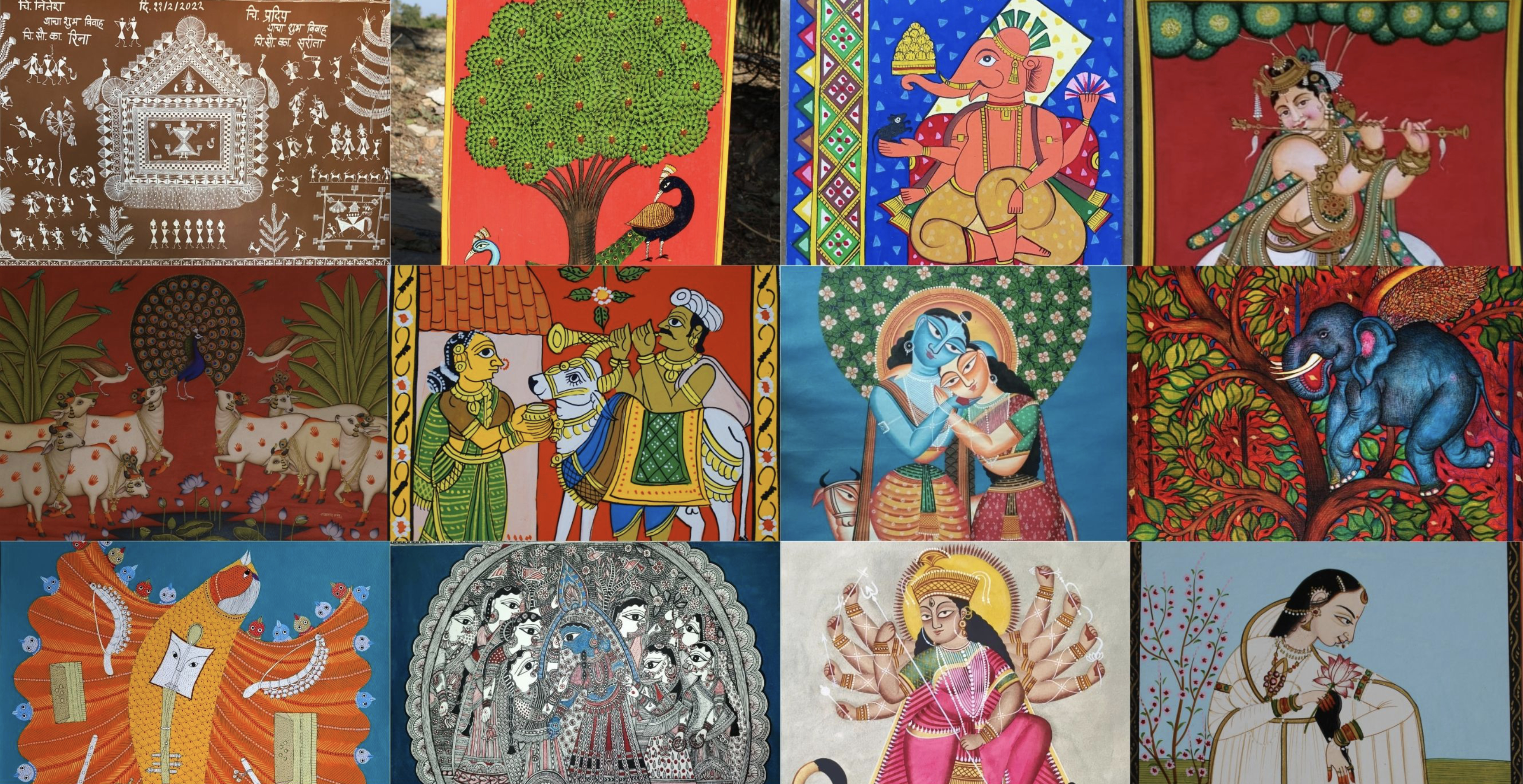
twelve traditions
A Living Canvas
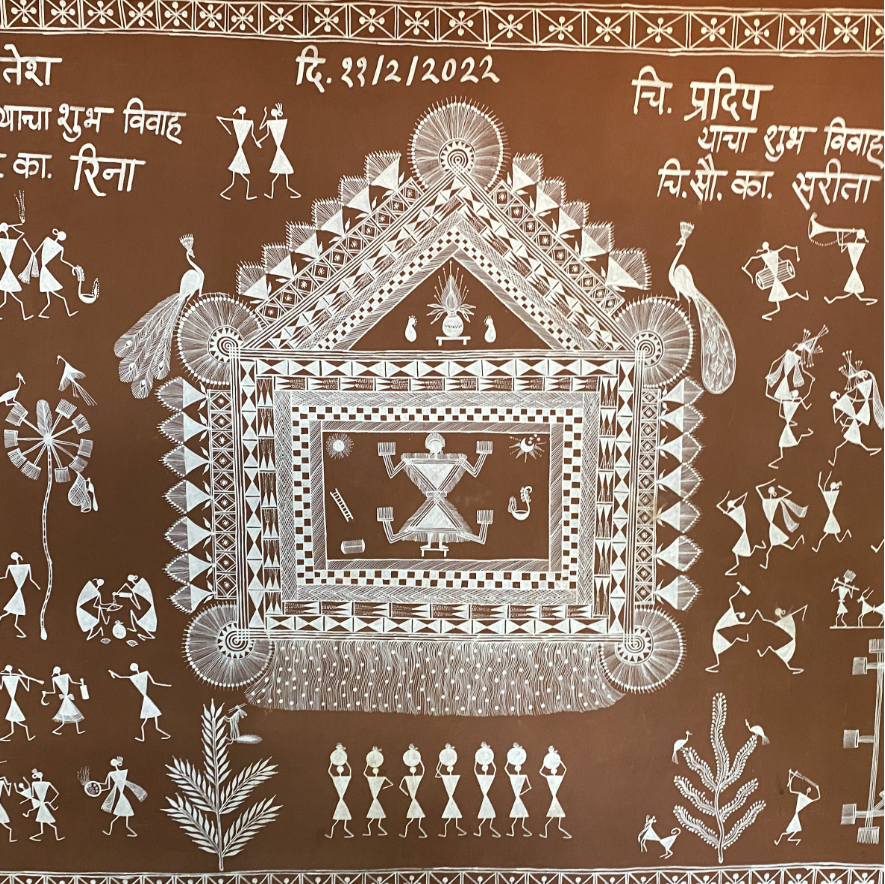 Maharashtra
Warli
This ancient Indian art is a 2,500-year-old tradition. Warli paintings of the Thane and Nashik areas of Maharashtra are closely linked with Nature and the social rituals of specific tribes.
View art form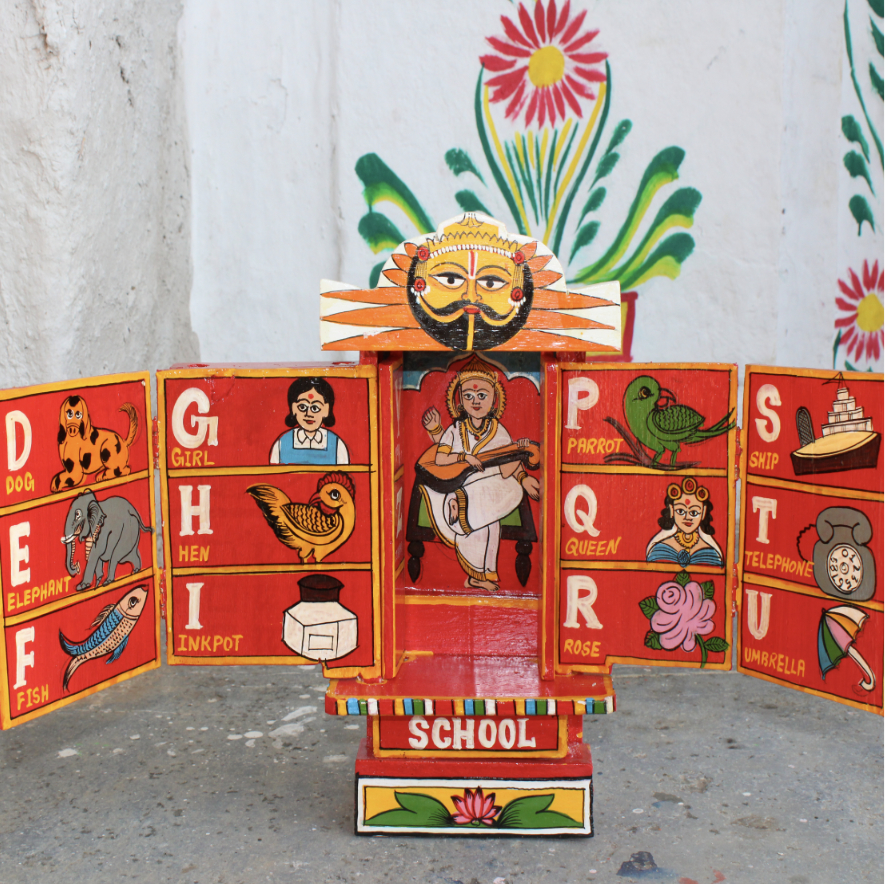 Rajasthan
Kavad
Kavad artwork is a unique form of storytelling that dates back approximately 500 years. Kavad is a Rajasthani art form that originated in the village of Bassi in the Chittorgarh area.
View art form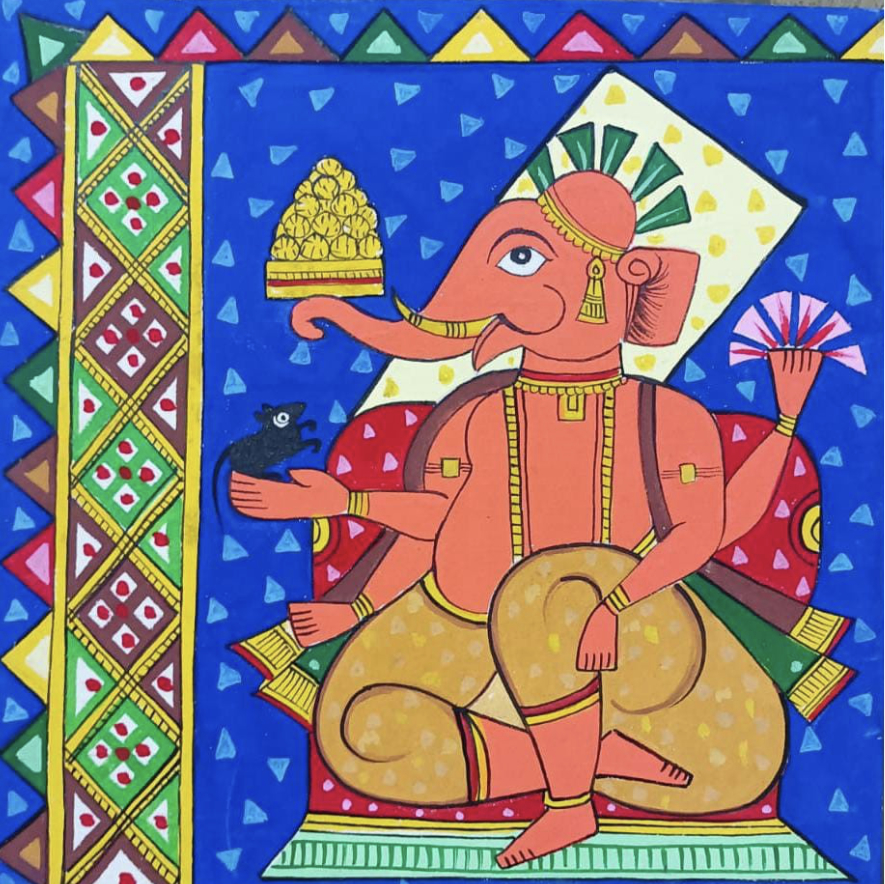 Rajasthan
Phad
Phad art is a traditional folk painting style from Rajasthan, India, known for depicting epic stories on long cloth scrolls. It features bold colours and intricate details, often used in storytelling performances.
View art form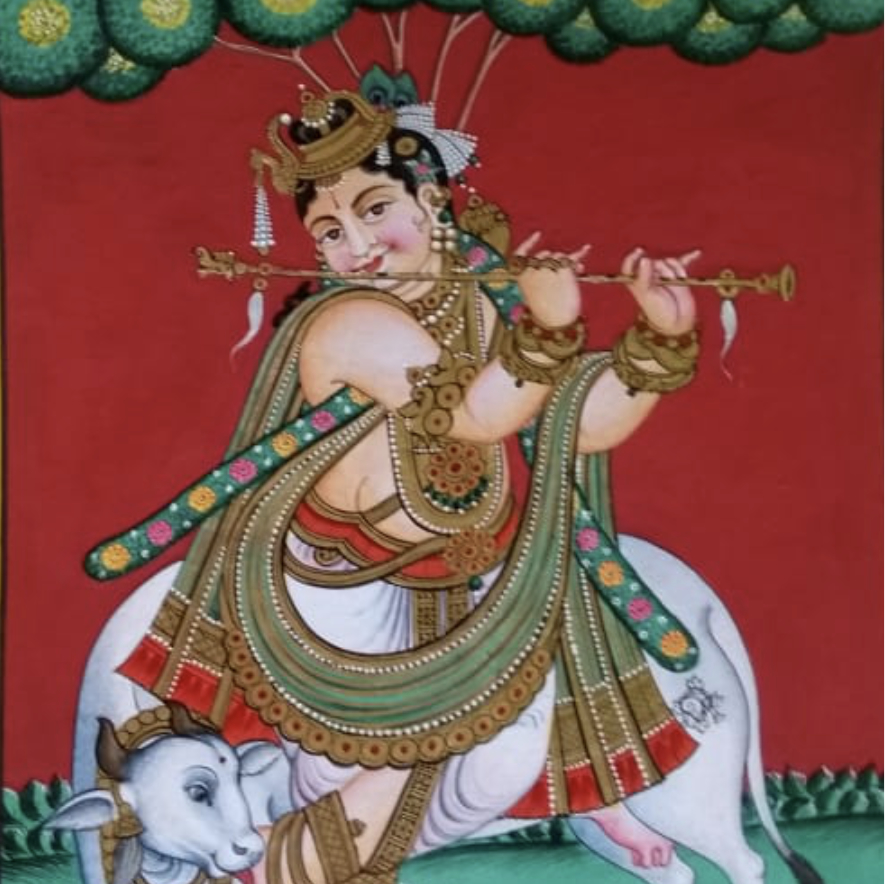 Karnataka
Mysore Art
Mysore painting is an invaluable style of traditional South Indian painting that developed in and around Mysore, Karnataka. This art form was encouraged and nurtured by the emperors of Mysore.
View art form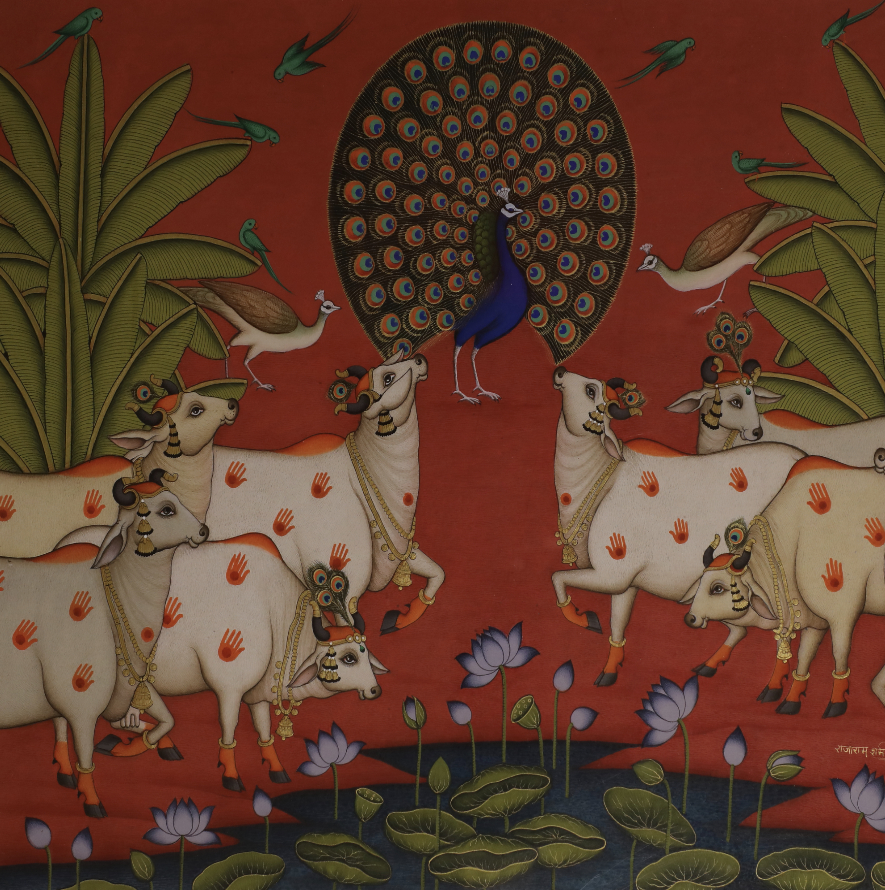 Rajasthan
Pichwai
The art of Pichwai originated as wall hangings placed behind the main deity in Krishna temples in Nathdwara. They narrate stories related to Lord Krishna.
View art form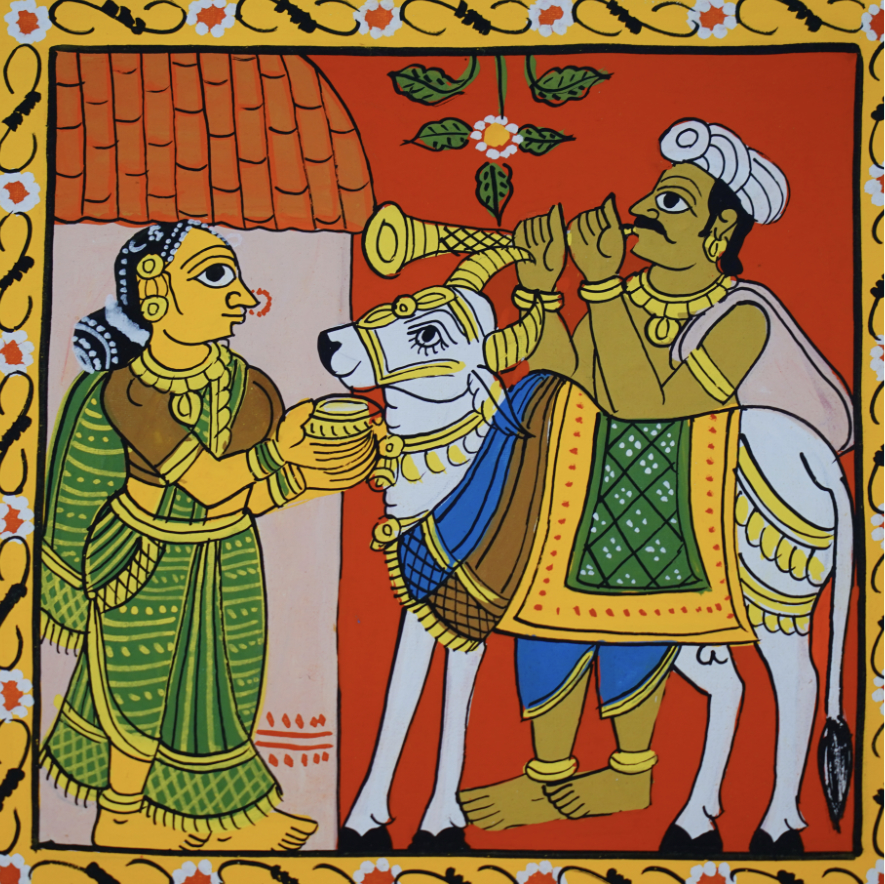 Telangana
Cheriyal Scroll
The long scroll tradition is a fascinating blend of dexterous visual art and fluid, lyrical storytelling. Cheriyal scrolls are a highly stylized form of Nakashi art, with each scroll traditionally comprising a series of narrative scenes.
View art form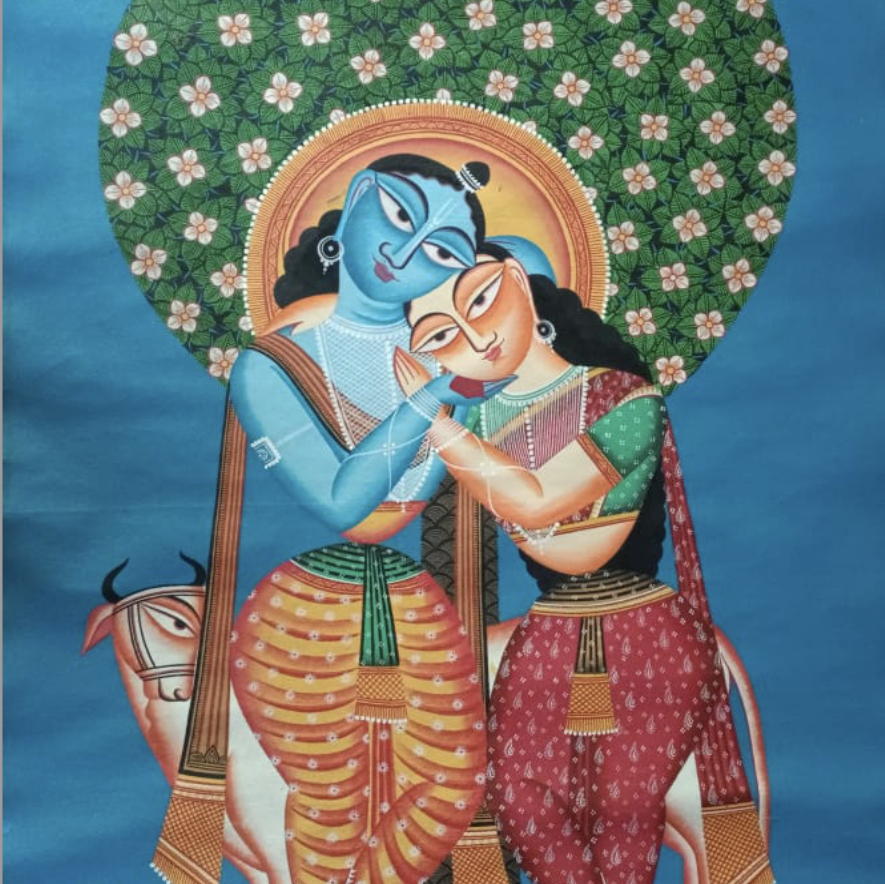 Odisha & West Bengal
Pattachitra
The word Pattachitra means 'image on canvas' in Sanskrit, with 'parra' meaning canvas and 'chitra' meaning image or painting. Pattachitra originated in the Indian states of Orissa and West Bengal and dates back to around the 5th to 7th centuries.
View art form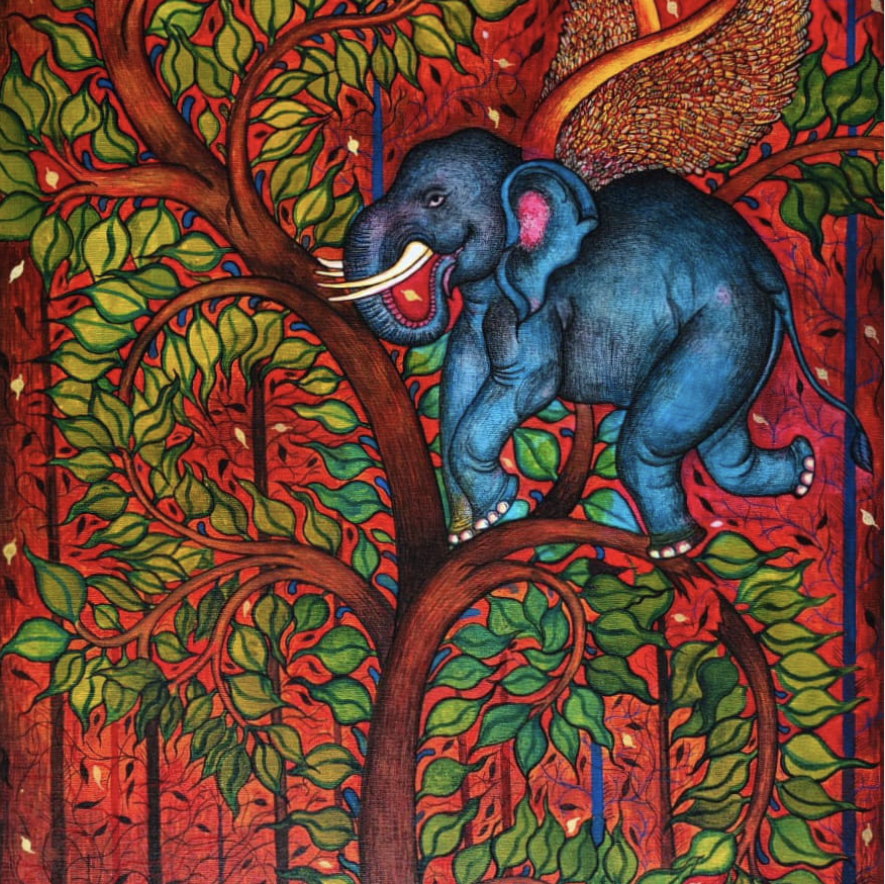 Kerala
Kerala Murals
The Kerala mural style draws inspiration from indigenous ritual art forms such as Kalamezhuthu and Patayani. Kerala mural paintings are among the world's most renowned mural traditions and have deep spiritual roots, depicting themes from Hindu mythology and epics.
View art form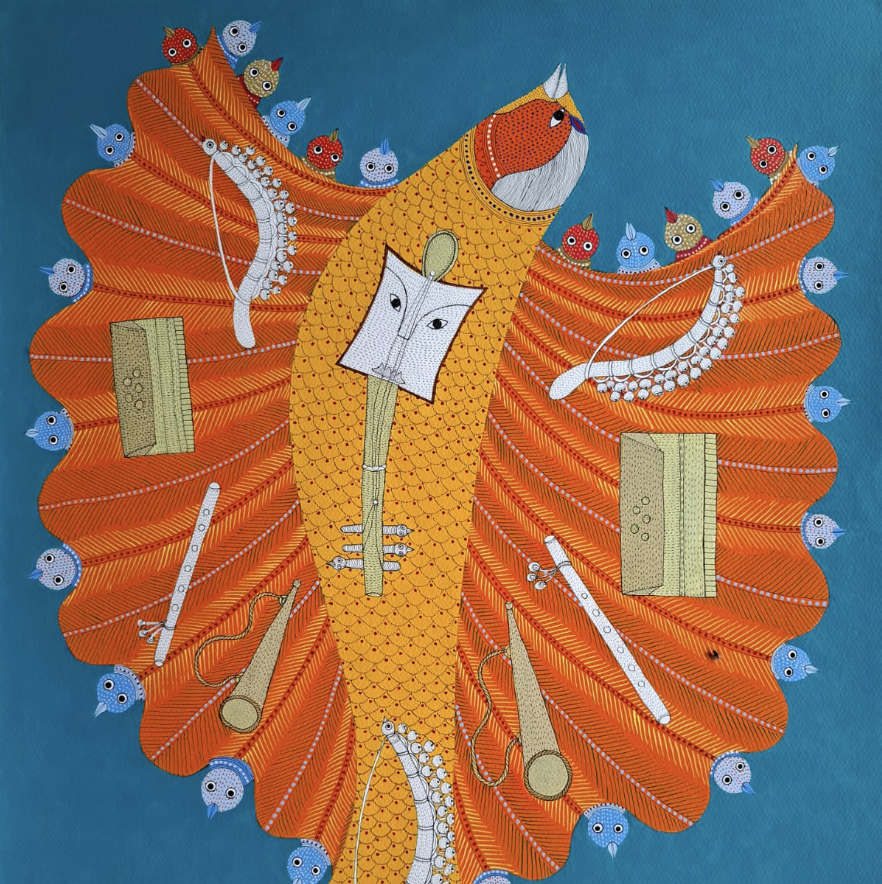 Madhya Pradesh
Gond
One of the largest tribes in India, the Gond tribe, which lives predominantly in Madhya Pradesh, has a long history of creating Gond paintings dating back centuries. This traditional art form can be seen as an expression of gratitude to Mother Nature, as these paintings traditionally depicted flora and fauna.
View art form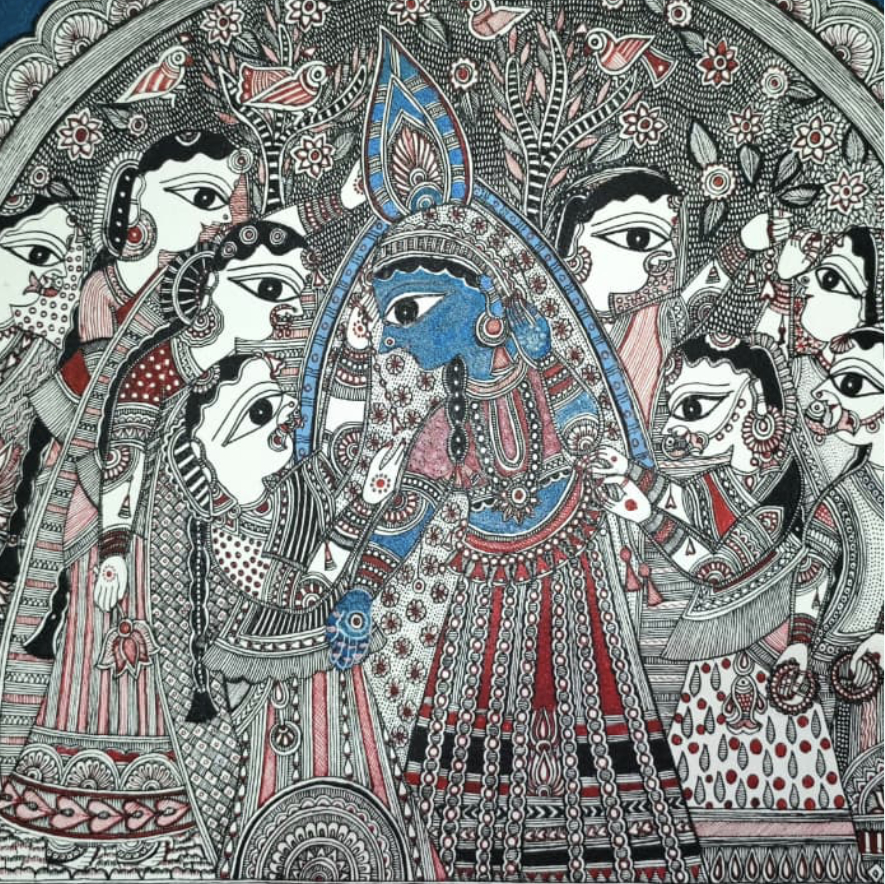 Bihar
Bihar
Madhubani
Madhubani painting is a world-renowned art form practised in the Mithila region of the Indian subcontinent. This painting is created using a variety of tools, including fingers, twigs, brushes, nib pens and matchsticks, along with natural dyes and pigments.
View art form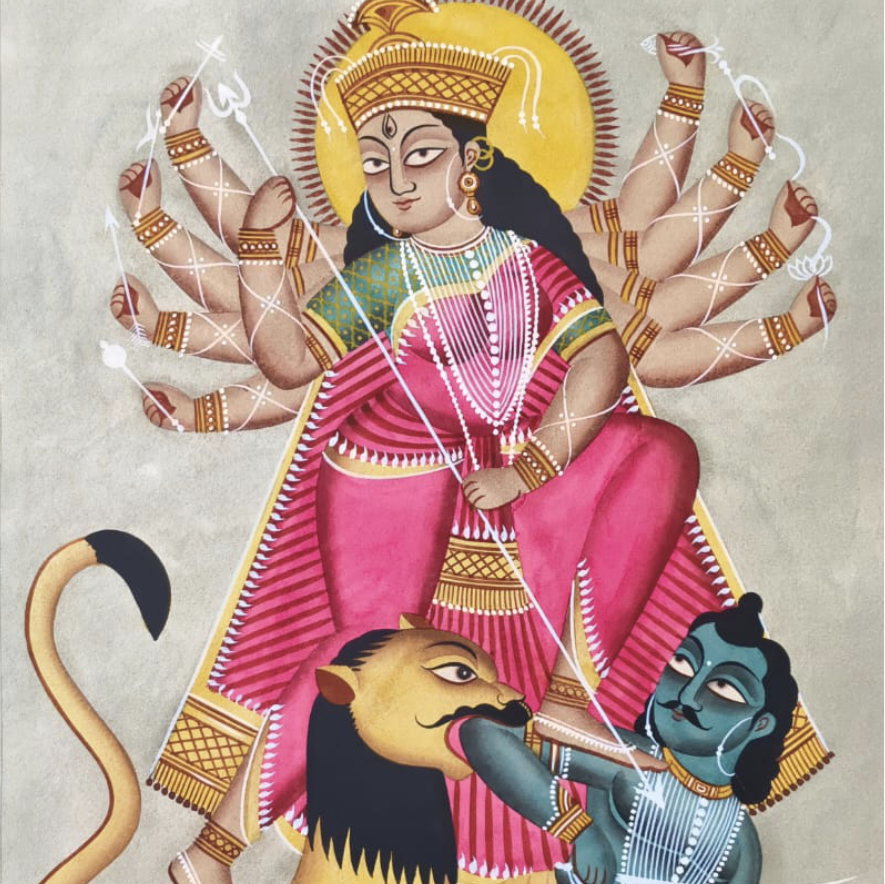 West Bengal
Kalighat
The Kalighat painting style was developed in the mid-19th century in the neighbourhood of the Kali Temple in Kolkata. These paintings on paper were created by artists known as patuas, hence the name Kalighata Pata.
View art form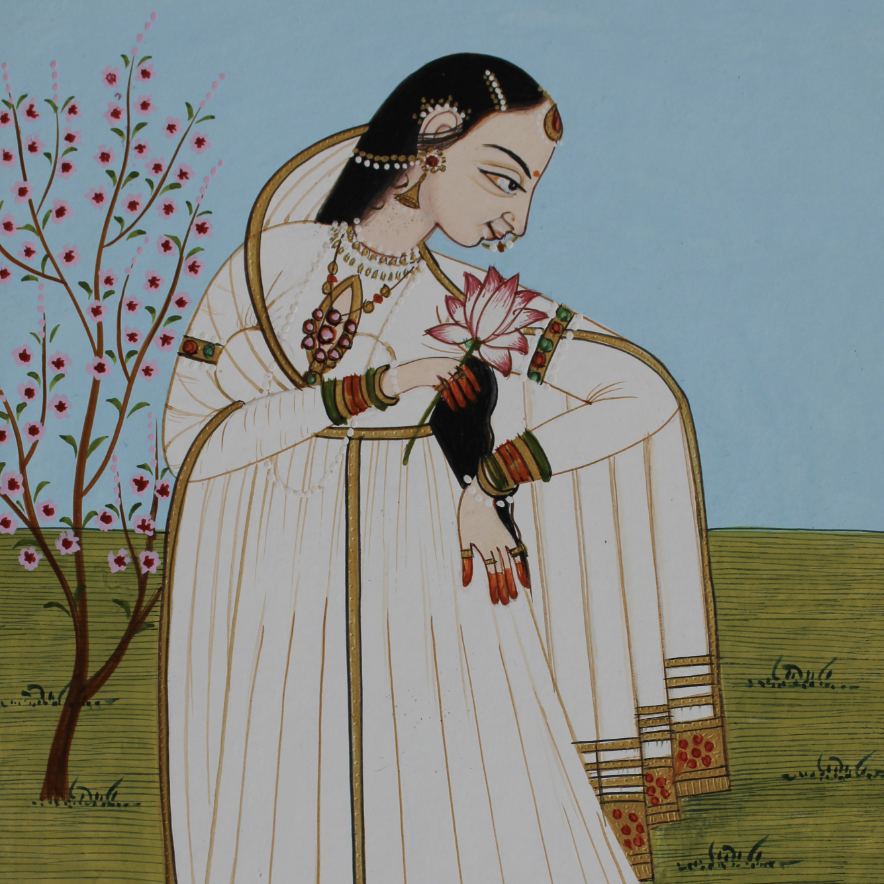 Himachal Pradesh
Kangra Miniature
Kangra painting is a renowned Pahari miniature art form that originated in the Kangra region of Himachal Pradesh, a former princely state that patronised the art form. It became prominent as the Basohli school of painting declined in the mid-18th century.
View art formFILMS FROM THE JOURNEY
Stories from the Living Traditions
A journey into the heartlands of India’s folk and traditional art forms, where stories, skills and cultural knowledge continue to live through generations. These films offer an intimate glimpse into the artists, their communities and the traditions they carry forward — from storytelling and ritual to nature, memory and everyday life.
browse the collection
The E-Catalogue
A curated companion to the digital museum — every art form, the artists behind them, and the stories that hold this tapestry together.
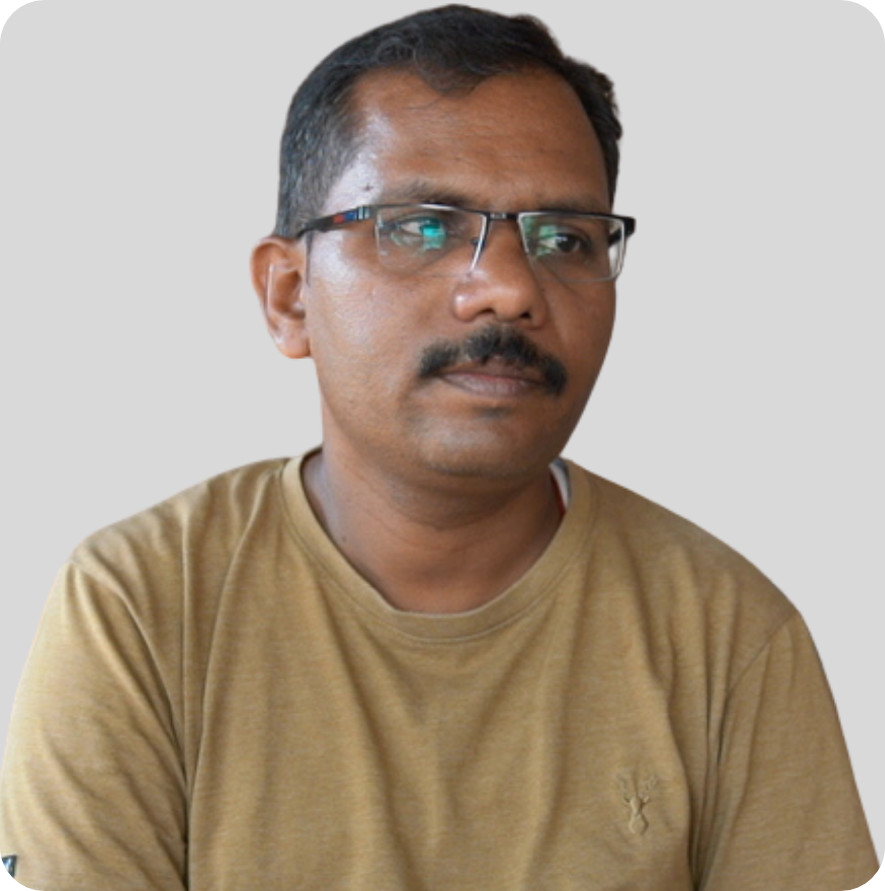
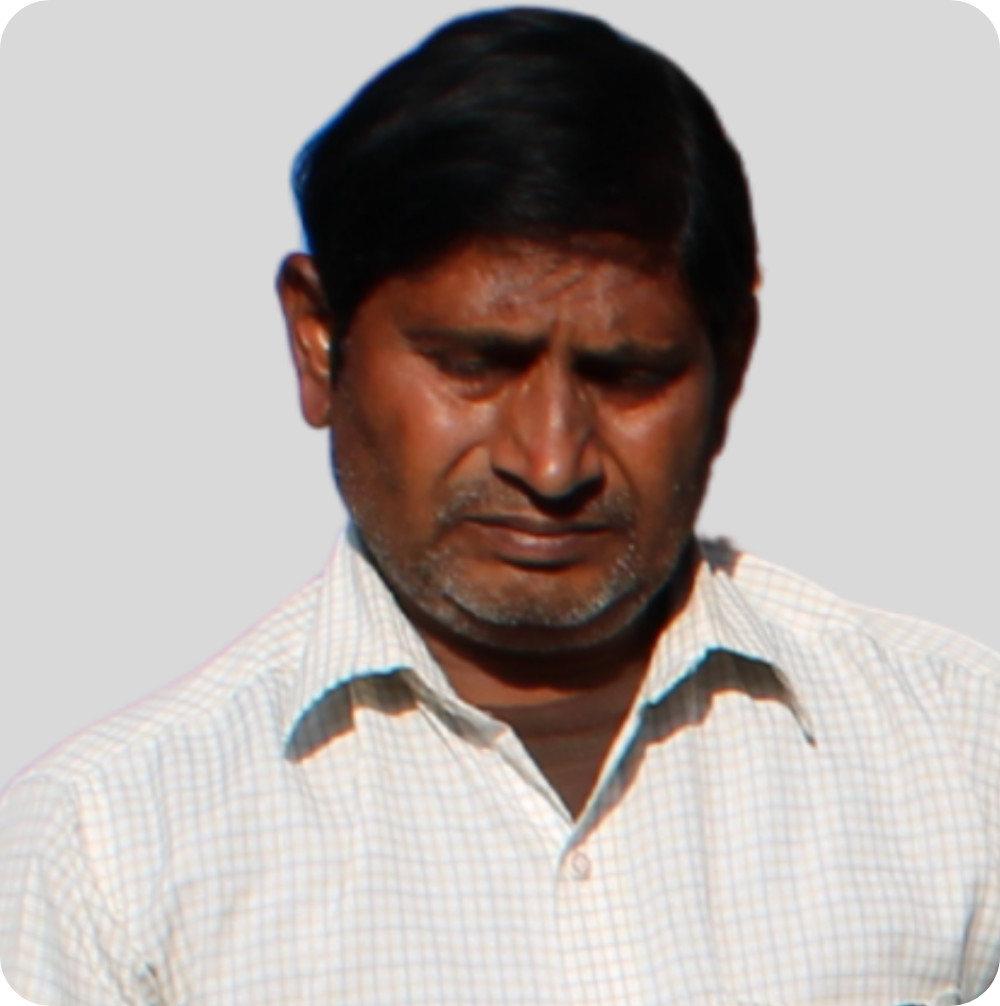
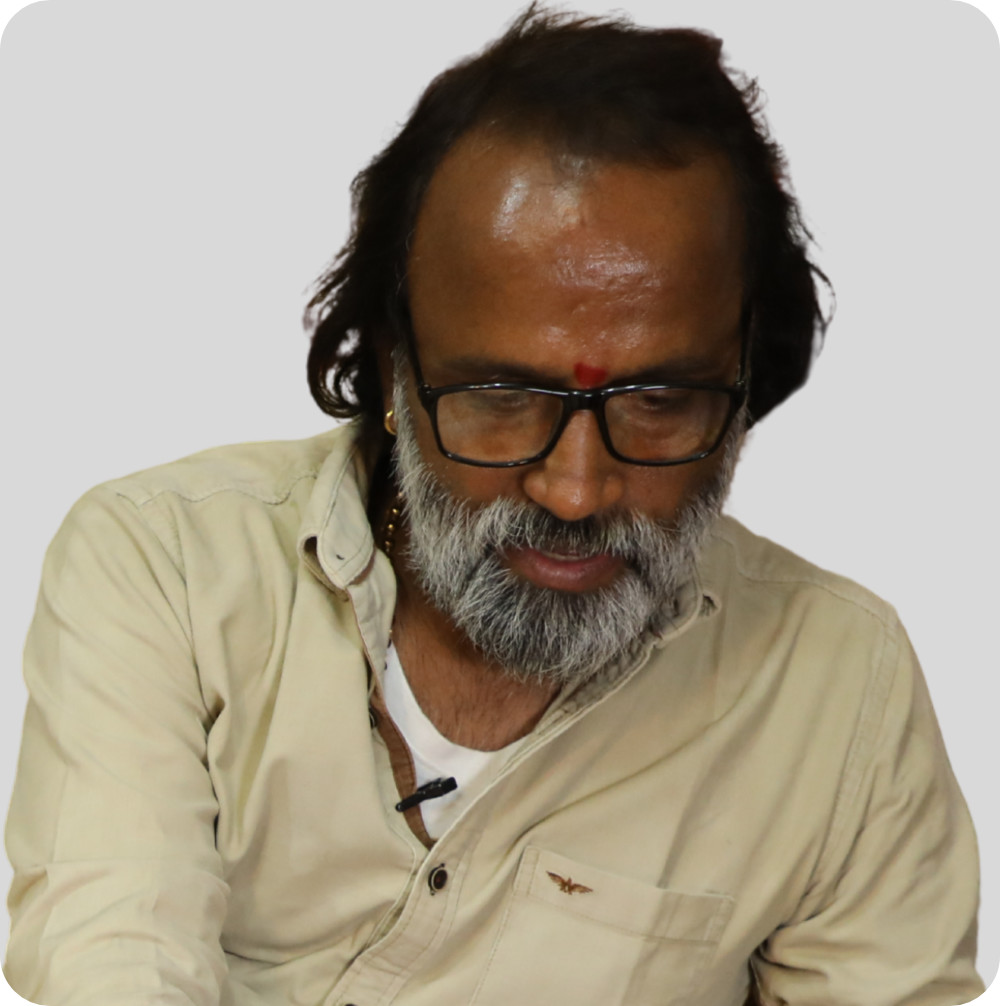
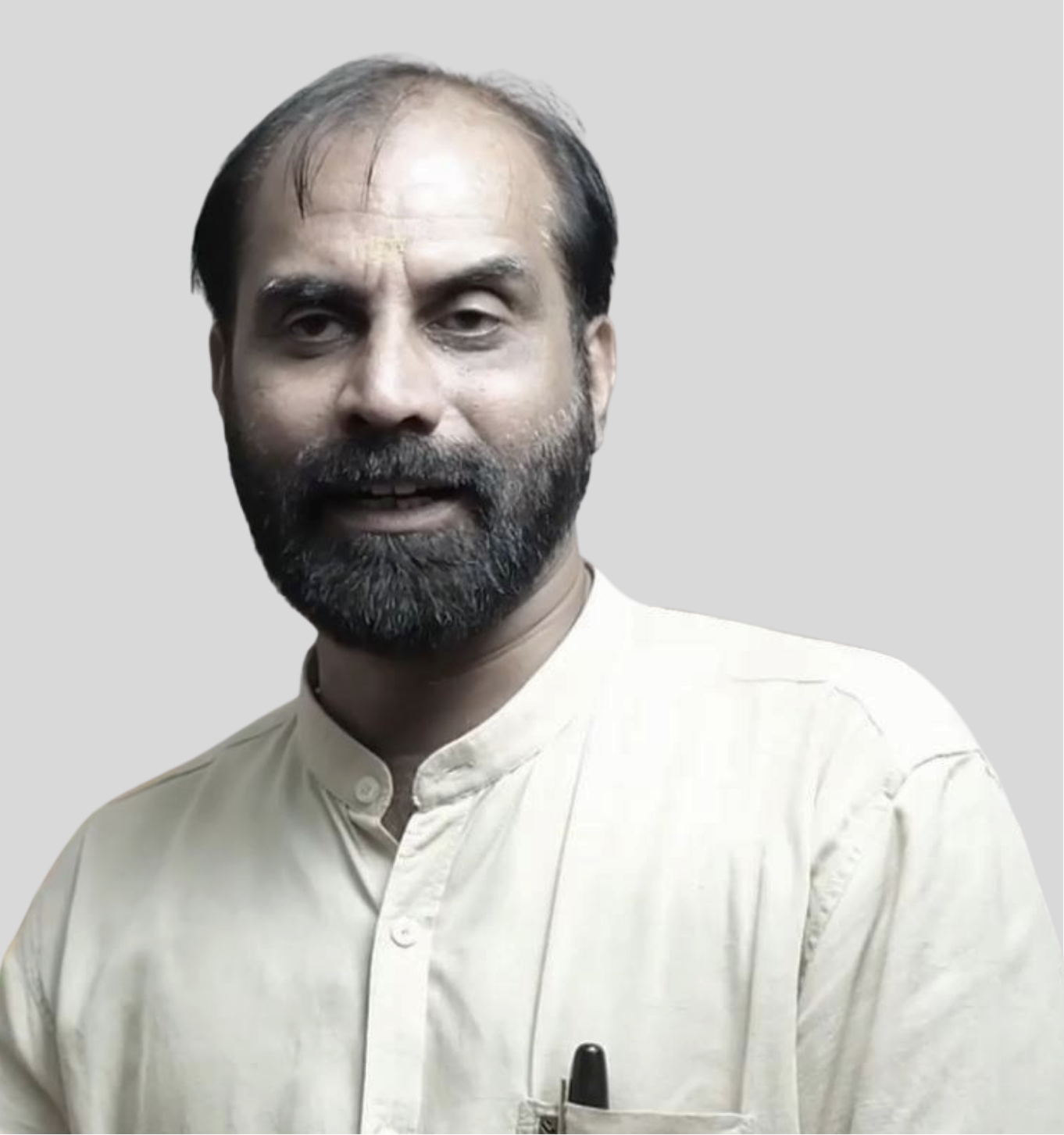
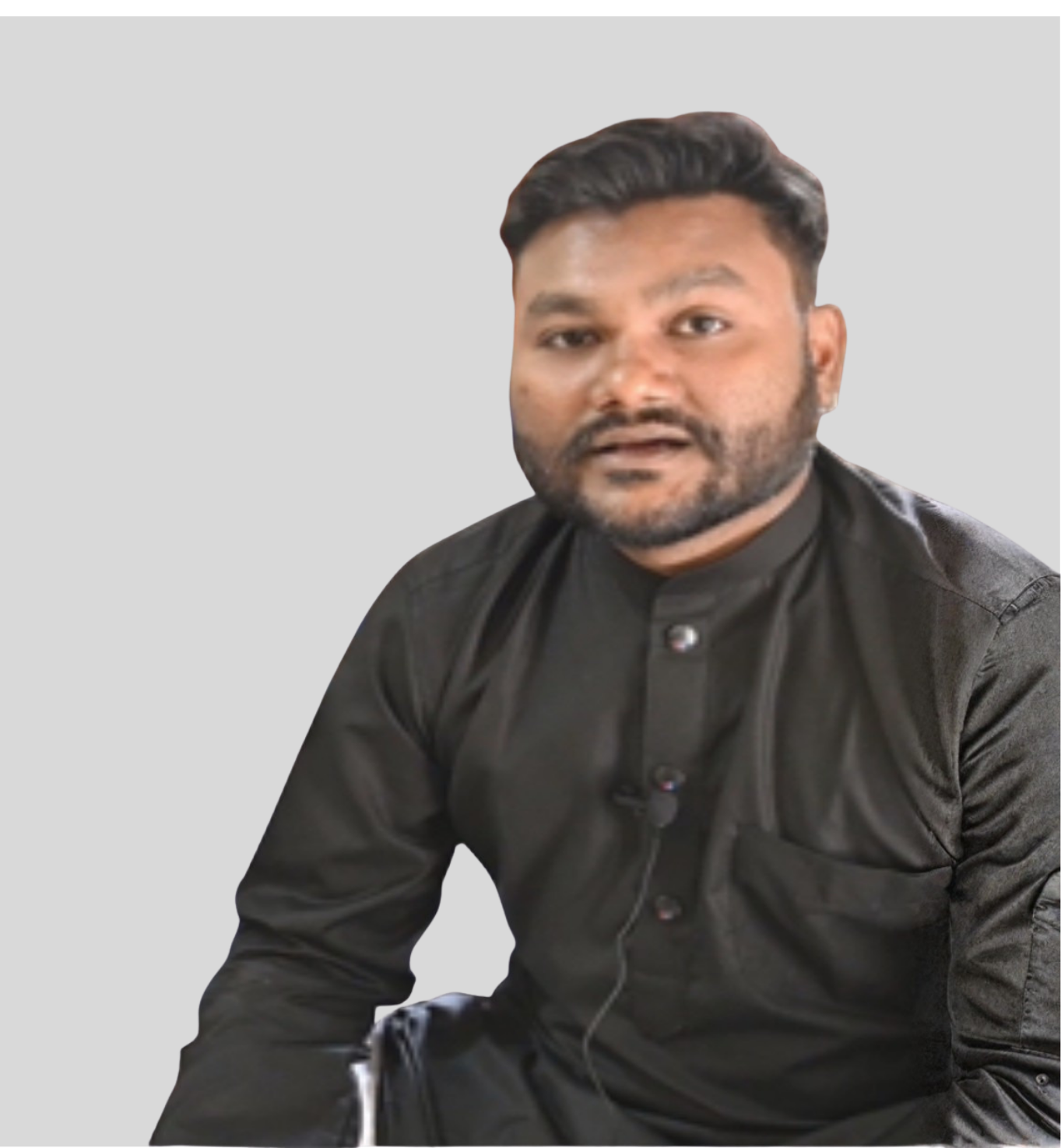
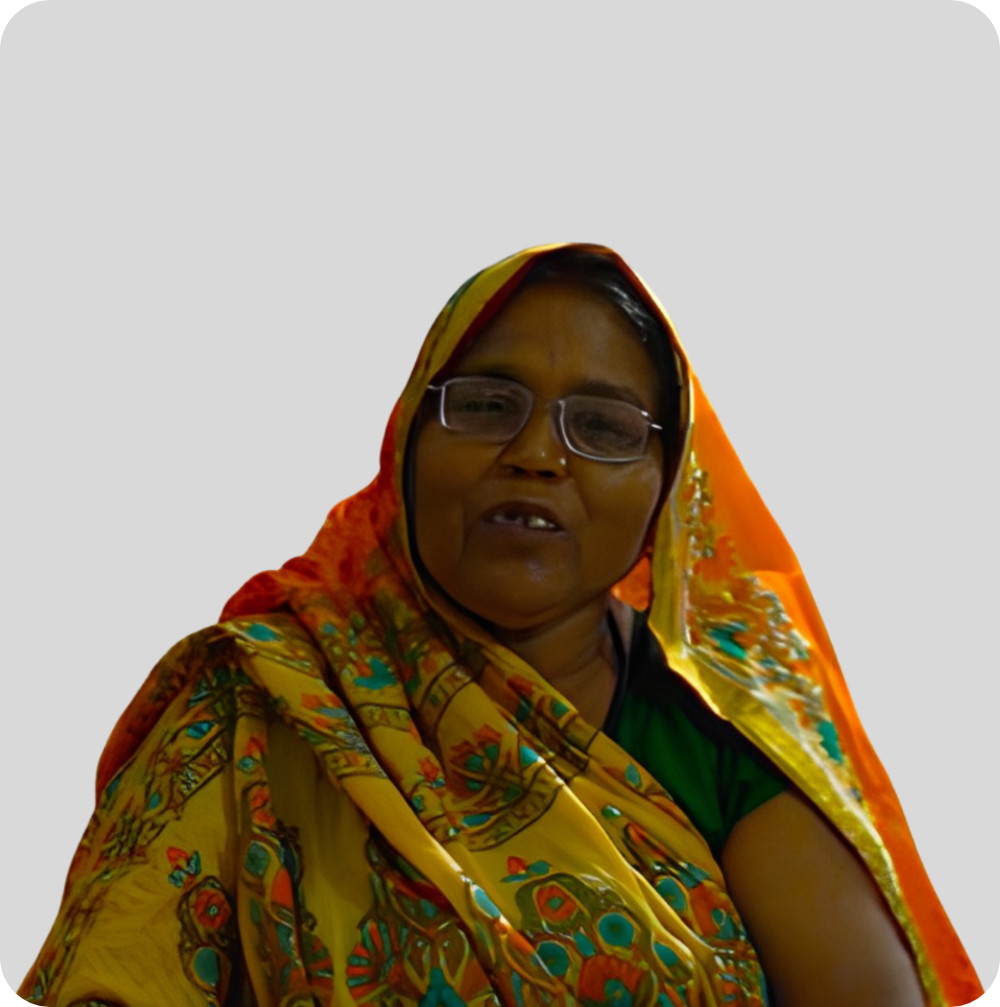
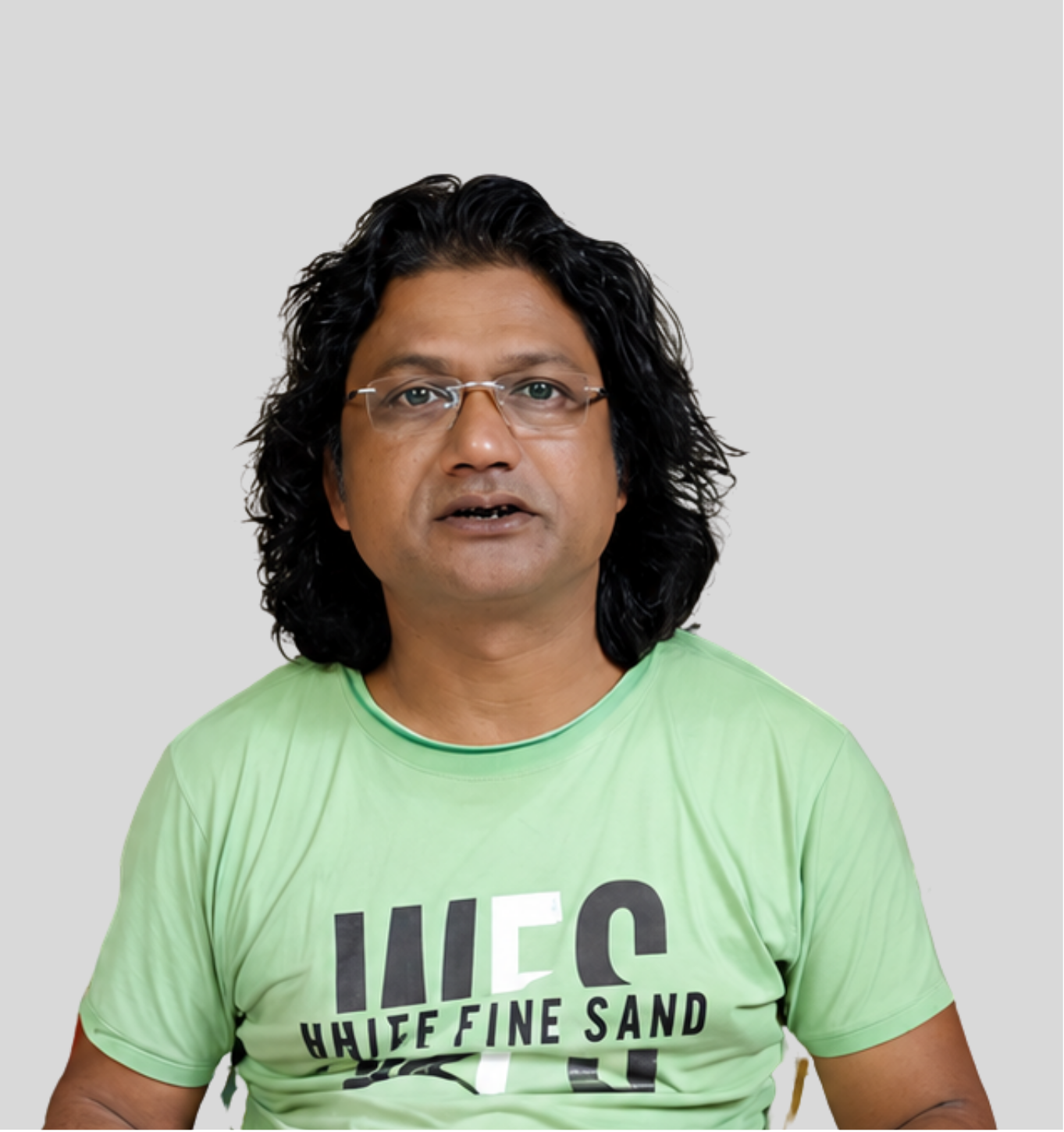
the hands that keep tradition alive
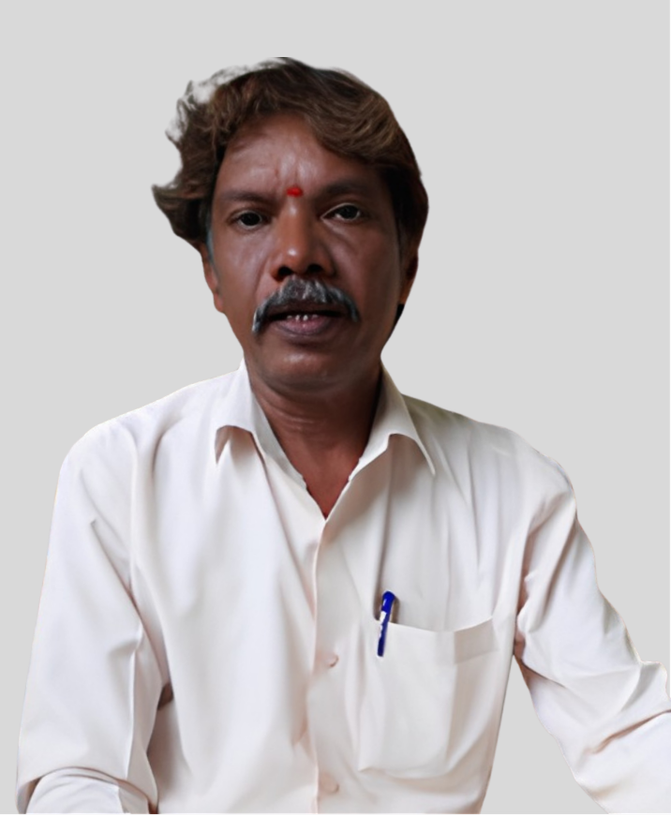
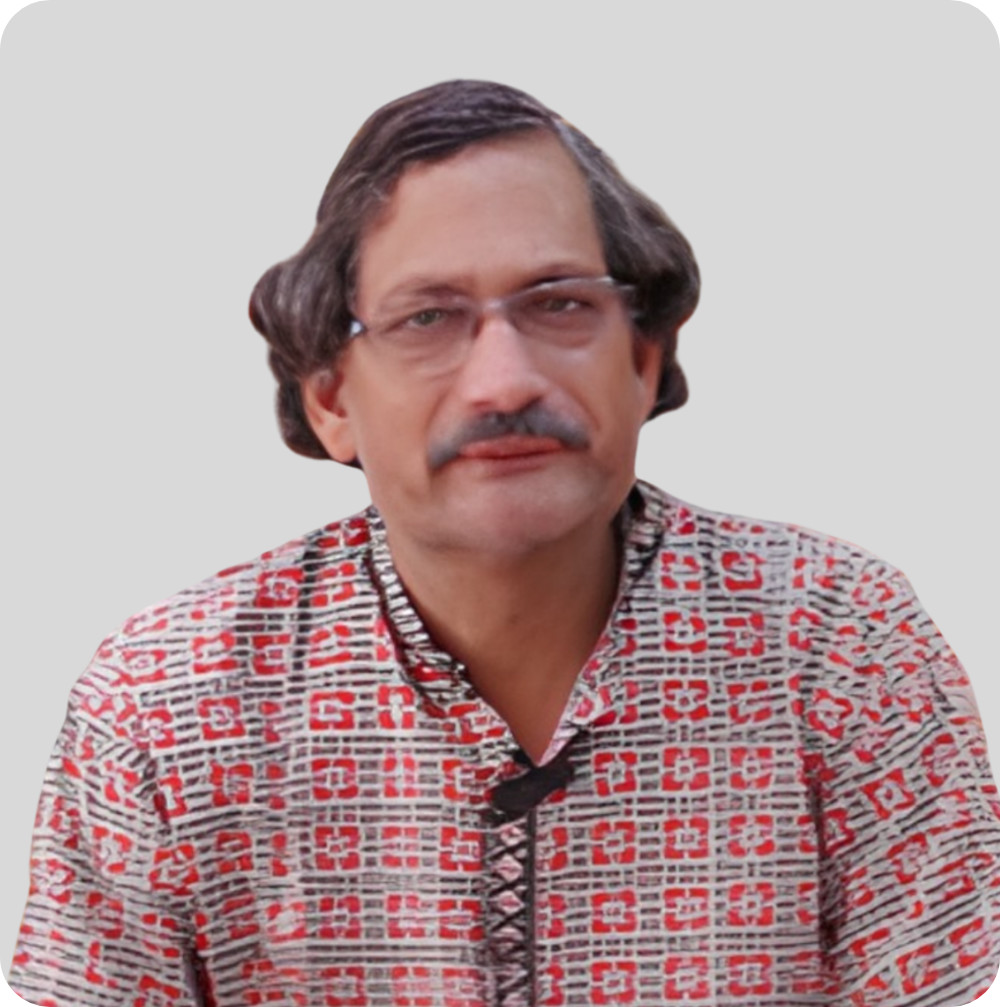
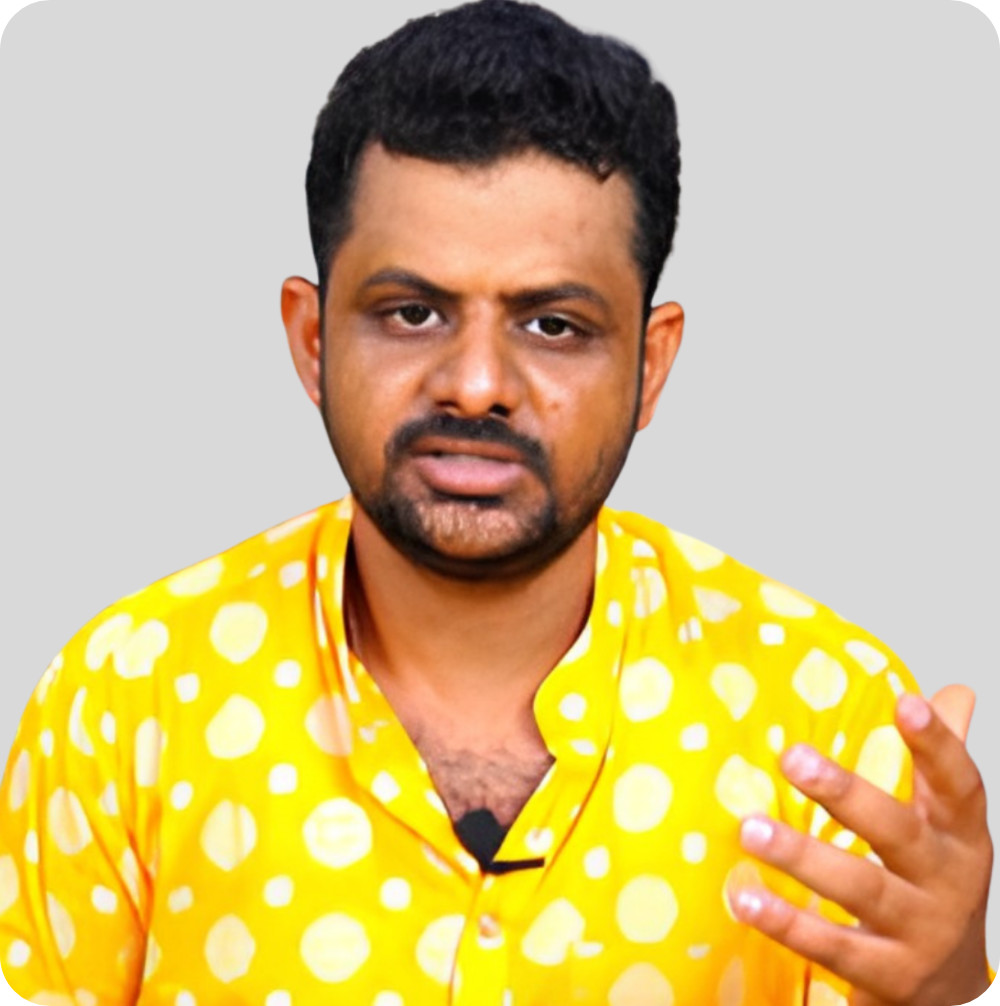
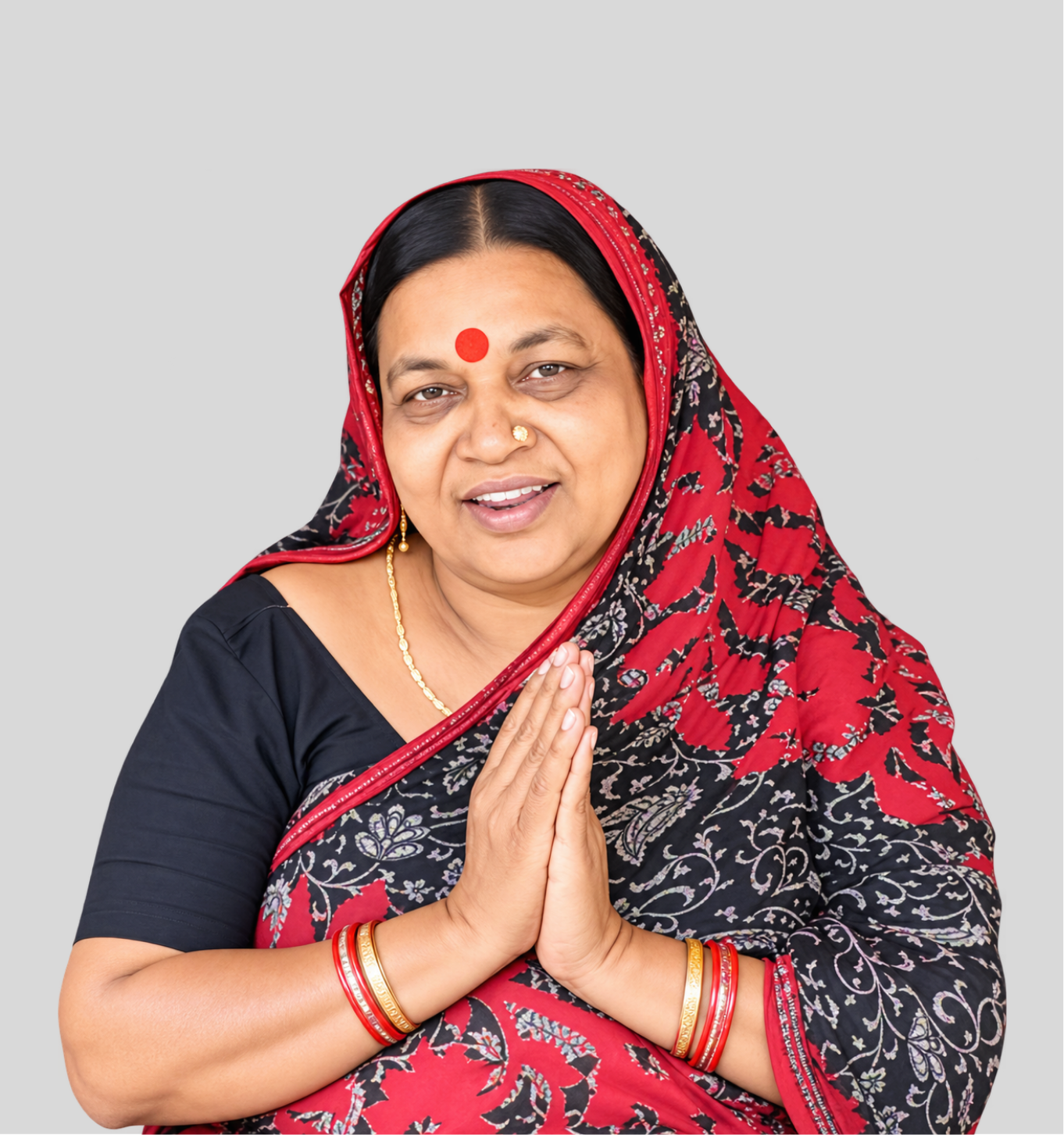
The Artists
the full archive
Media Gallery
get in touch
Contact
Have a story, artwork, or collaboration to share? We'd love to hear from you.